Climbing Mount Fuji: what you need to know before you attempt it
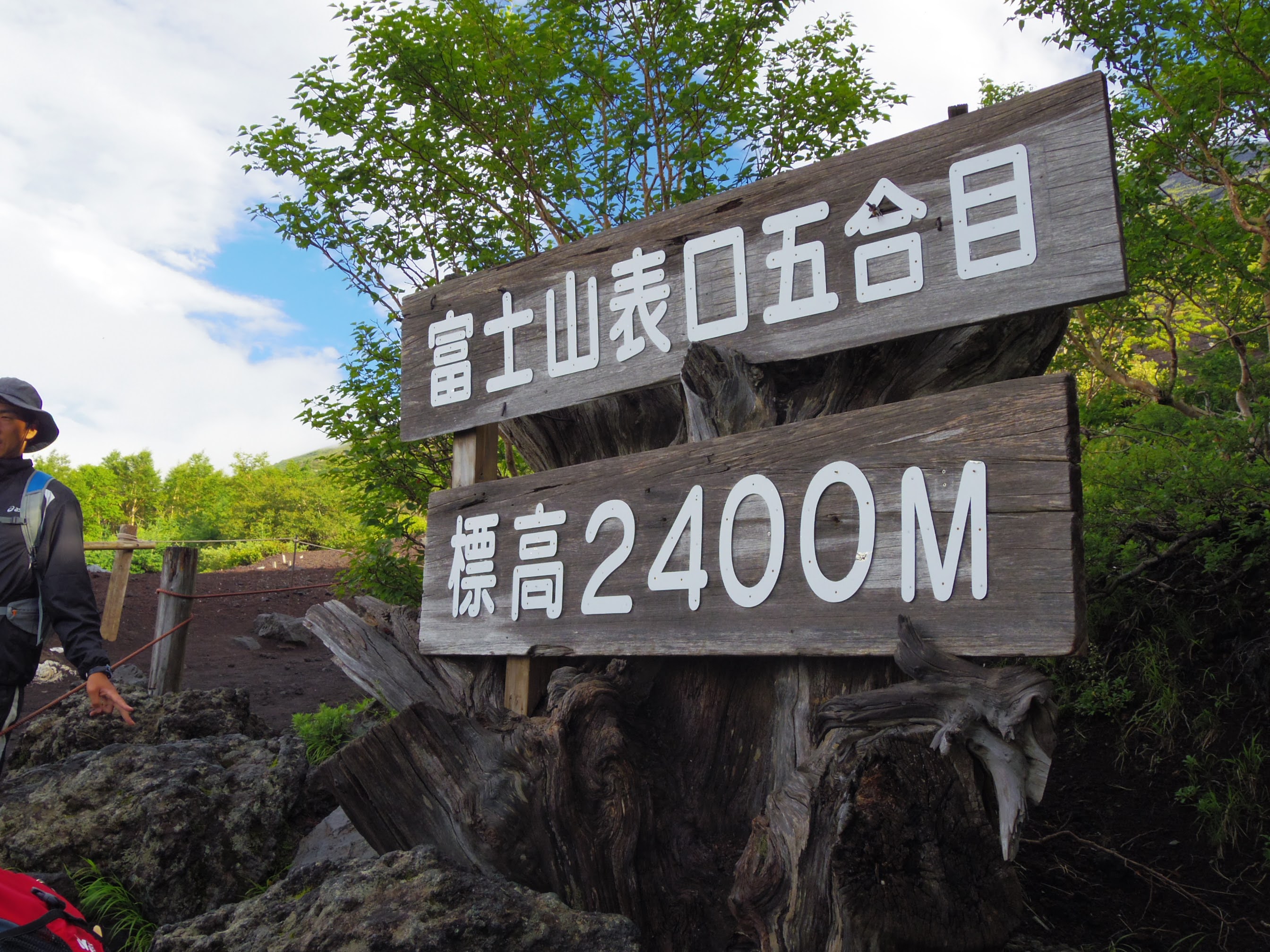
Thirteen years ago I climbed Mount Fuji in August with some friends. We left Yokohama at two in the morning, arrived at the Fujinomiya trail’s fifth station at around six, and reached the summit about five and a half hours later. I was well prepared and used to hiking in the mountains, and the ascent was less hard than I’d expected. Even so, on the way down we were caught by a rainstorm that left us completely soaked in minutes.
I mention this because it sums up what Fuji is: if you go prepared, it’s an extraordinary experience and technically accessible. If you go without preparation, it can turn serious. The mountain is 3,776 metres and the weather can change in minutes. Every year there are rescues and, occasionally, deaths.
This guide is for people who want to go up with their head in the right place.
The season: when it’s open
Fuji’s trails are only open during a short window each year:
Yoshida trail (the most popular, from the Yamanashi side): opens 1 July and closes 10 September.
Subashiri, Gotemba and Fujinomiya trails (from the Shizuoka side): Fujinomiya opens 10 July in 2026. Subashiri and Gotemba open on similar dates. All close in early September.
Outside that window the trails are officially closed. Technically you can attempt the climb out of season, but conditions are something else entirely: snow, ice, no open mountain huts, no rescue equipment. Not something I’d recommend.
August concentrates the majority of visitors, which overlaps with the peak of Japan’s summer travel season. If you can, early July or September have fewer people and the weather tends to be somewhat more stable.
The four trails
Yoshida trail (吉田ルート): by far the most popular, approximately 60% of climbers use it. Starts at the fifth station at 2,305 metres and reaches the summit with around 1,470 metres of elevation gain. Has the largest number of mountain huts (山小屋) for resting or sleeping, and the most complete infrastructure. Ideal if it’s your first time and you want the best logistical options.
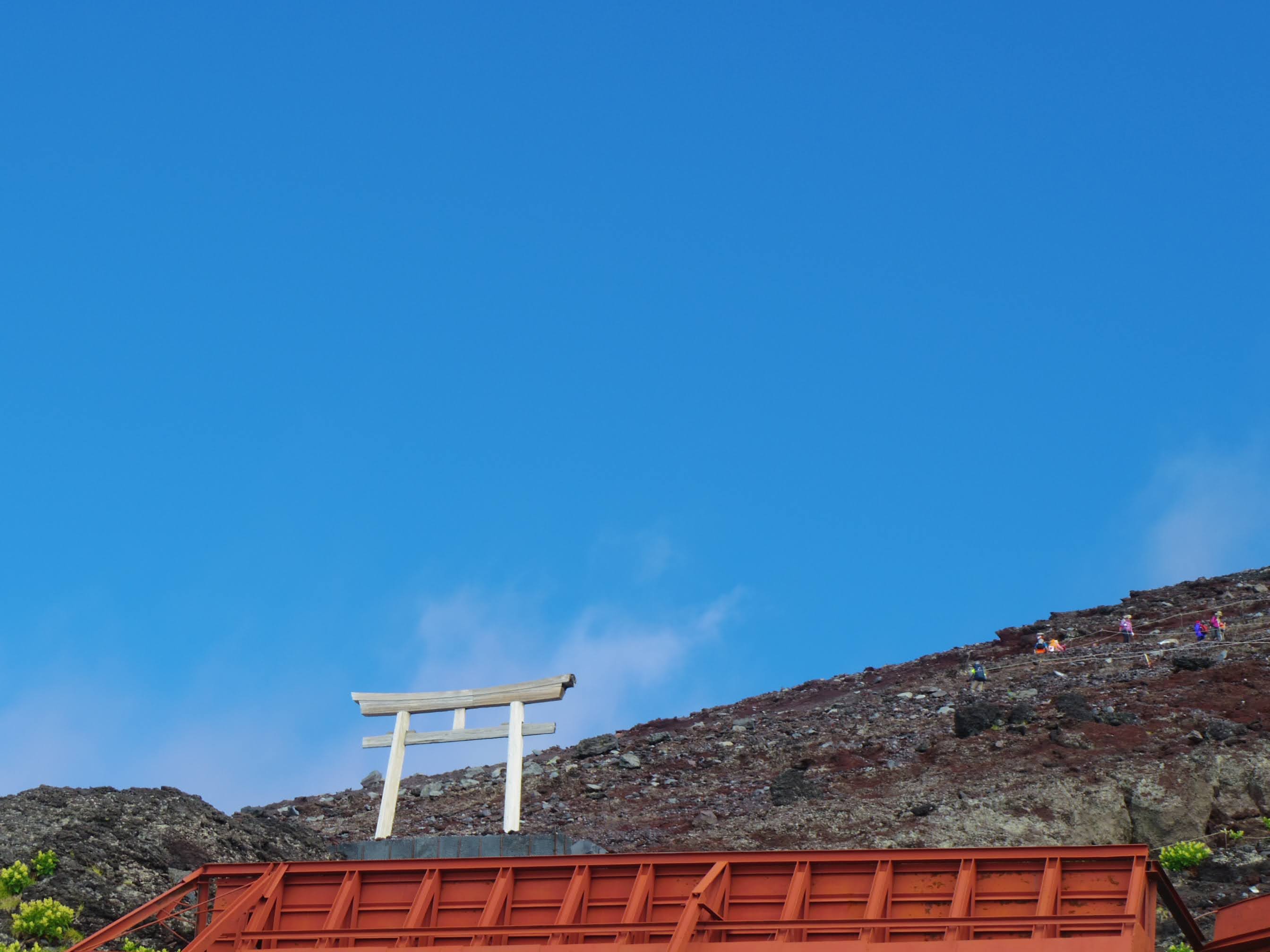
Fujinomiya trail (富士宮ルート): the one I took. Starts at the fifth station at 2,400 metres, the highest of the four trails, and has the shortest route to the summit. Fewer people than Yoshida. The descent shares the same path as the ascent (unlike Yoshida, where descent has its own route). Good option if you’re coming from Shizuoka, Osaka or the western part of the country.
Subashiri trail (須走ルート): starts at 2,000 metres and joins the Yoshida trail at the eighth station. Has an initial section through forest that distinguishes it from the others. Fewer visitors than the two above.
Gotemba trail (御殿場ルート): the longest with the greatest elevation gain from the fifth station (1,500 metres). Starts at 1,440 metres. Very few visitors, recommended only for people with mountain experience. The advantage is that on the descent there’s a section of volcanic ash (osunabashiri) that lets you run down in a few minutes.
The access fee and reservations
In 2026, all Fuji trails charge ¥4,000 per person to access beyond the fifth station. The fee increased from the ¥2,000 introduced on the Yoshida trail in 2024.
Beyond the payment, the Yoshida trail now requires advance online reservation through fujisan-climb.jp. Daily capacity is capped at 4,000 climbers, on busy days the quota fills up. Same-day purchase at the checkpoint is possible but not guaranteed. Other trails also have capacity controls.
The Yoshida trail barrier closes at 2pm (without a hut reservation, no entry until 3am) to discourage uncontrolled night climbs, the so-called “bullet climbing”, where people leave Tokyo late, climb all night without rest and descend at dawn having never slept.
These measures are a response to the problems that have accumulated as Fuji became a mass tourist destination: overcrowding, avoidable rescues, litter and dangerous behaviour. Since my climb thirteen years ago the situation has changed dramatically.
Equipment: what to bring
Fuji in August can be 10-15 degrees at the summit even when it’s 35 degrees below. With wind, the windchill drops much further. The rain that caught us on the descent arrived without warning and in ten minutes we were drenched.
Essential:
- Waterproof jacket with hood (not a plastic poncho, something that handles wind and rain at the same time)
- Mid-layer insulation (fleece or similar)
- Long trousers (even if you arrive in shorts, pack them)
- Closed-toe shoes with grip, not smooth running trainers
- Head torch or flashlight with spare batteries
- Water (minimum 1.5 litres; you can refill at mountain huts but it costs ¥200-500 per bottle)
- Trail food (energy bars, nuts, something calorie-dense)
- Sunscreen and sunglasses. UV radiation is high at that altitude
Recommended:
- Light gloves (the summit can be below freezing in wind)
- Trekking poles, especially useful on the descent, which has a lot of loose rock
- Small day pack of 20-30 litres, not a carry-on bag
Altitude sickness: the problem most people underestimate
At 3,776 metres, altitude sickness (AMS. Acute Mountain Sickness) is real. Symptoms include headache, nausea, dizziness, extreme fatigue disproportionate to the effort. They can appear from 2,500-3,000 metres upward and worsen if you keep climbing.
There’s no way to know in advance whether it will affect you, it doesn’t depend on physical fitness. Very fit people can get altitude sickness and sedentary people may not. The only reliable treatment is to descend.
What helps:
- Going slowly. The Japanese mantra is yūkkuri, yūkkuri (ゆっくり、ゆっくり), slowly, slowly. Don’t try to go fast.
- Sleeping at a mountain hut halfway up (around the eighth station) before continuing. It allows your body to acclimatise.
- Drinking water regularly.
- If you have symptoms, stop and wait before going higher.
Bullet climbing, going up at night without resting to reach the summit at sunrise, is exactly the opposite of what the physiology recommends. Sleep deprivation combined with physical effort and altitude increases the risk of severe AMS. I mention it because it sounds romantic and many people attempt it; the rescue statistics for weekend nights in August tell a different story.
Sleeping in a mountain hut or climbing in a day
There are two ways to organise the climb:
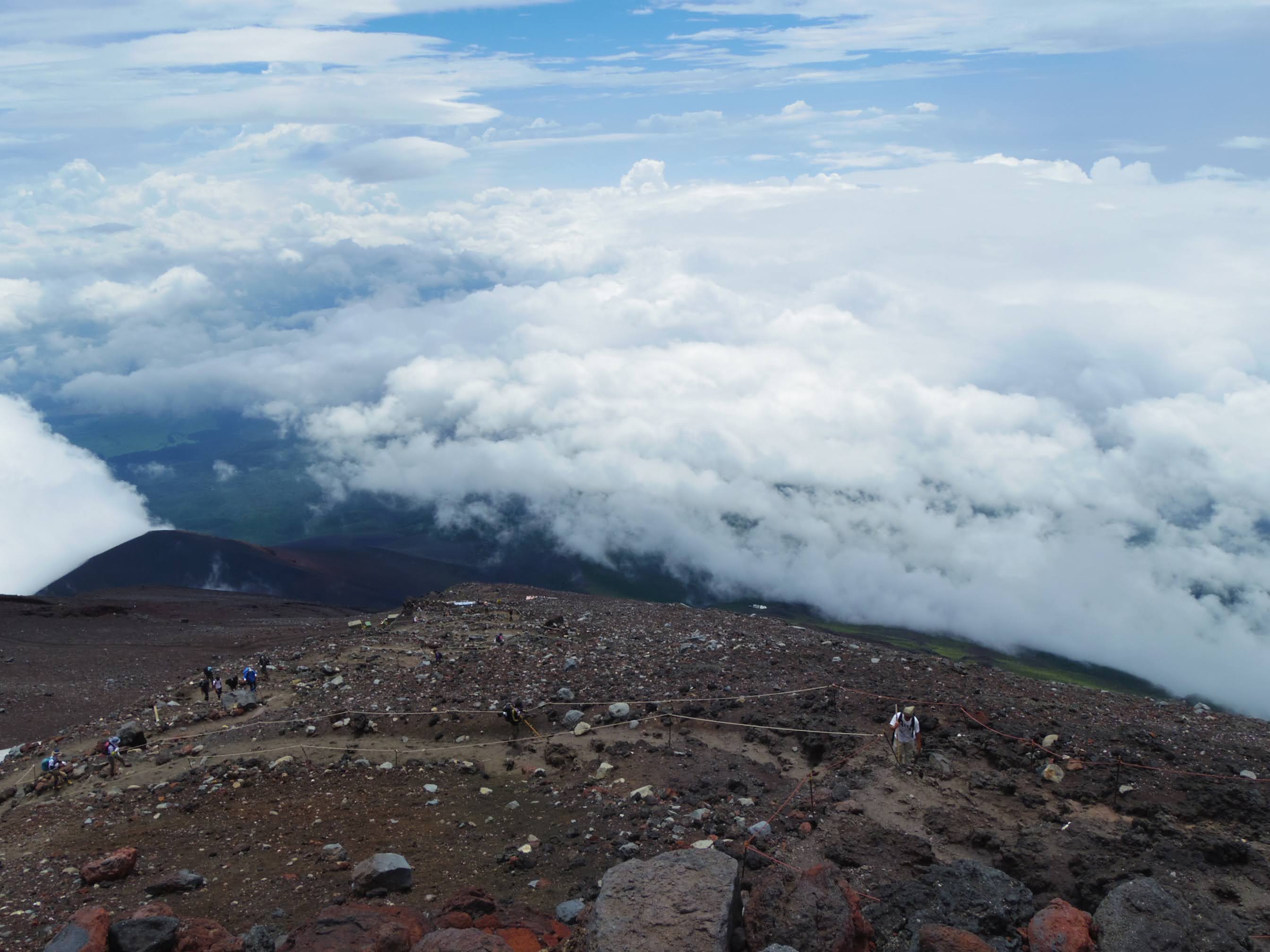
Day climb: leave the fifth station early (5-7am), reach the summit by midday, descend in the afternoon. Requires good physical condition and stable weather. This is what I did from Fujinomiya and it worked well. You avoid the cold of the night and the altitude sickness risk from sleep deprivation. The downside is you don’t see the sunrise from the summit.
Night in a mountain hut: climb to around the eighth station in the afternoon, sleep in a hut (book well in advance, they sell out), then continue in the early hours to arrive at the summit at sunrise (ご来光, goraiko). The sunrise experience from the top is memorable. It’s also the most sensible way to see the sunrise without doing the sleepless night climb.
Huts cost between ¥7,000 and ¥10,000 per person per night, usually including dinner and breakfast. Conditions are basic, shared dormitories with little space. After the descent, many climbers head to the nearby Hakone or Atami area to recover; see our onsen guide for what to expect.
Getting to the fifth station
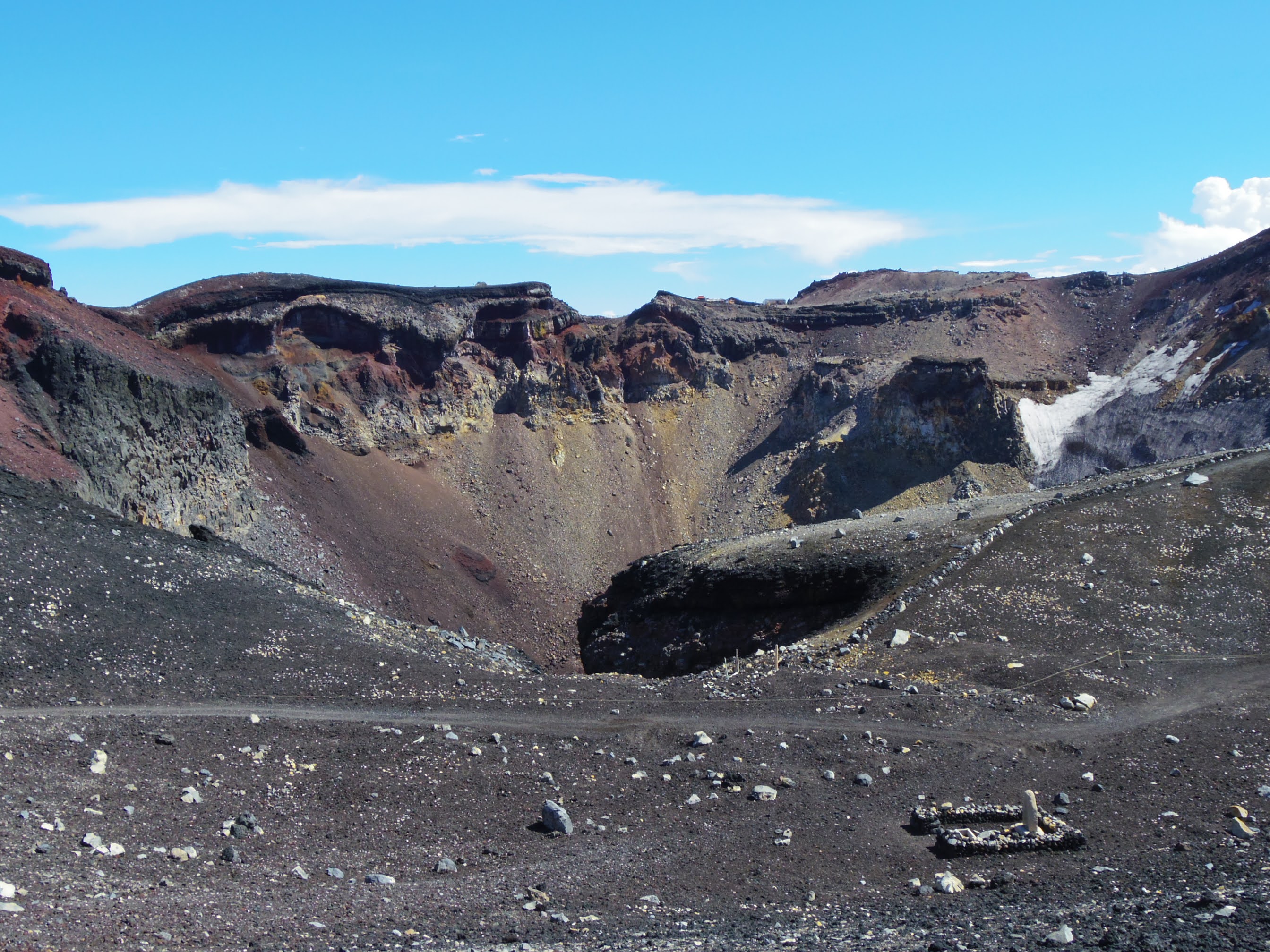
From Tokyo / Yokohama to the Yoshida trail: direct bus from Shinjuku Station (Keio Bus or Fuji Express, around ¥2,700) or from some Yokohama stations. Takes 2 to 2.5 hours.
To the Fujinomiya trail: from Shin-Fuji Station (Shinkansen) or Fujinomiya Station, there are direct buses to the fifth station during the season (approx. ¥1,200-1,500). Also from Mishima. This was the access I used, leaving in the middle of the night from Yokohama, arriving at Fujinomiya and then to the starting point.
During peak season there are traffic restrictions on the road to Fuji, you can’t drive your own car up to the fifth station. Use the bus or an authorised taxi. If you’re building this into a wider trip, our 10-day Japan itinerary and cost breakdown includes a Hakone/Fuji day-trip option.
FAQ
Do I need to be in very good shape to climb? You don’t need to be an athlete, but you do need to be in reasonable physical condition. If you can walk for several hours without difficulty and have no cardiorespiratory conditions, it’s accessible. What tires you most isn’t the distance but the altitude.
How long does the climb take? Between 5 and 8 hours going up depending on pace and trail. Descent takes 3 to 5 hours. Count a full day.
Can you come back down the same day if it rains? Yes, and sometimes it’s the right call. Storms on Fuji can be strong and unpredictable. If the weather deteriorates seriously, the mountain hut staff and rescue teams recommend descending. Carrying a waterproof jacket is precisely so you don’t have to choose between getting soaked and staying stuck.
Are there toilets on the route? Yes, at the mountain huts there are pay toilets (¥200-300). They’re not luxurious but they exist.
Is it dangerous? If you have the right equipment, don’t rush and pay attention to altitude sickness symptoms, the risk is reasonable for a person in normal health. Fuji is not technically difficult, you don’t need climbing equipment. What gets people into trouble is lack of preparation, inadequate clothing and ignoring altitude sickness.
The 2026 Fuji season opens 1 July on the Yoshida trail. If you’re going in July or August, book your mountain hut months in advance if you plan to sleep on the mountain. If you’re doing the day climb, leave early and bring the waterproof jacket even if the sky is clear.
Information updated June 2026. Check exact opening and closing dates for each trail on the official websites of Yamanashi Prefecture (Yoshida) and Shizuoka Prefecture (Fujinomiya, Subashiri, Gotemba) before planning.
Related reading
If you found this useful, these guides go well with it:
Related calculators
About the author
Editorial entity
Yen & Zen is written by a Spanish-Japanese couple based in Kanagawa Prefecture, in the Tokyo metropolitan area. We have been in Japan since 2010. The site is a hobby project covering practical calculators and articles about life and travel in Japan, with verified figures and citations to official sources. We are not lawyers, accountants, or licensed advisors; articles here are based on observation, personal experience, and published official rules — not on professional consultation.