Yokohama day trip from Tokyo: how to actually do it right
Most tourists who visit Yokohama make the same mistake: they arrive at two in the afternoon, walk through Chinatown, take a photo of the harbor, and head back to Tokyo before dark. They leave thinking they’ve seen Yokohama. They’ve seen almost nothing.
I’ve lived in Yokohama for years. It’s my city. And while I completely understand the pull of spending another day in Tokyo, it’s absurdly dense with things to do. Yokohama deserves more time and more attention than it usually gets. Not because it’s spectacular in the way Kyoto is, but because it has something few Japanese cities have: a visible history of encounter between Japan and the outside world, one that still shows in its streets, its architecture, and its food.
This guide is for people who want to do the trip properly. A full day, with a real itinerary, the mistakes to avoid, and a few places that travel blogs rarely mention.
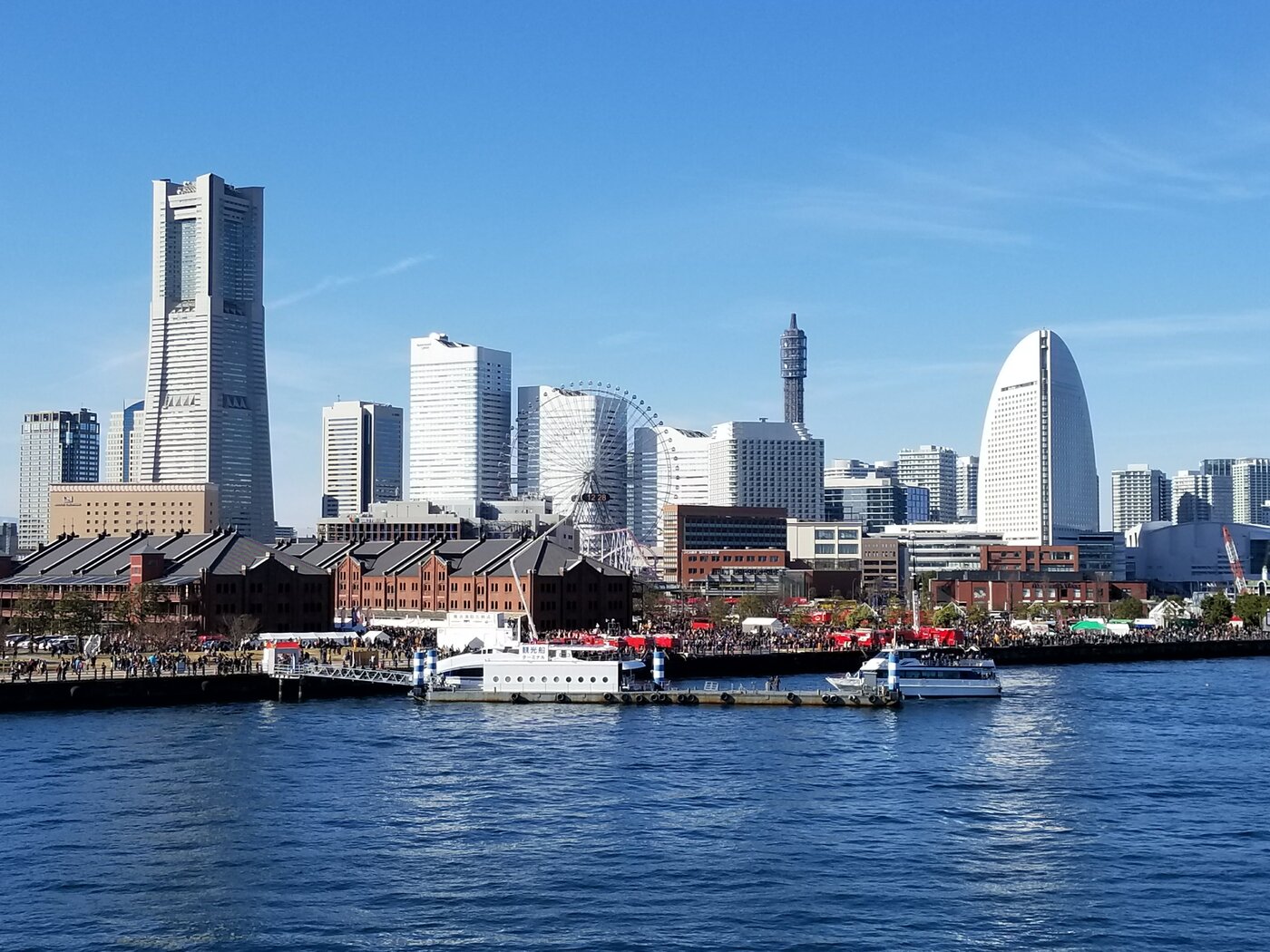
How to get there from Tokyo
Yokohama is 25–45 minutes from Tokyo by train, depending on where you’re starting from and where you want to arrive. A few options:
From Shibuya or Shinjuku. Tōyoko Line direct to Minato Mirai (¥340, ~30 min from Shibuya). This is, in my opinion, the best option if your plan centers on the heart of Yokohama: Chinatown, Motomachi, the waterfront. The line terminates at Minato Mirai Station, which puts you right in the modern harbor district.
From Tokyo Station. Keihin-Tōhoku or Tōkaidō Line to Yokohama Station (¥480–580, ~30 min). From Yokohama Station you can connect to local lines depending on where you’re headed.
From Shinagawa. Keihin-Tōhoku to Yokohama Station (¥290, ~20 min). Fast and cheap.
Does the JR Pass cover Yokohama? It depends on the line. The Keihin-Tōhoku and Tōkaidō (both JR) are covered. The Tōyoko Line (Tokyu) and the Minato Mirai Line are not JR, so the pass doesn’t apply. If you have a JR Pass, use the Keihin-Tōhoku from Shinagawa or Tokyo Station.
One important note on stations: Yokohama has several stations with “Yokohama” in the name. The main hub is Yokohama Station (横浜駅), but many of the places you want to see are closer to Minato Mirai, Nihon Odori, or Motomachi-Chukagai (the stop for Chinatown). Before you leave, figure out which station is most convenient for your first destination.
How much time do you actually need?
The honest answer: a full day, arriving before 10am.
Half a day (afternoon) gets you Chinatown and the harbor, nothing more. A full day lets you do the circuit below and stay for the sunset over the port, which is worth staying for.
If you have two days, I’d spend the second at Sankei-en, Kanazawa Bunko, or a side trip to Kamakura, which is very close to Yokohama and pairs well.
The circuit I’d do
This is the order I’d recommend for a day in October or May, when the weather cooperates. In summer, rearrange to front-load the longer walks in the early morning.
Morning: Chinatown and Motomachi
Start at Yokohama Chinatown (横浜中華街), the largest in Japan and one of the largest in the world.
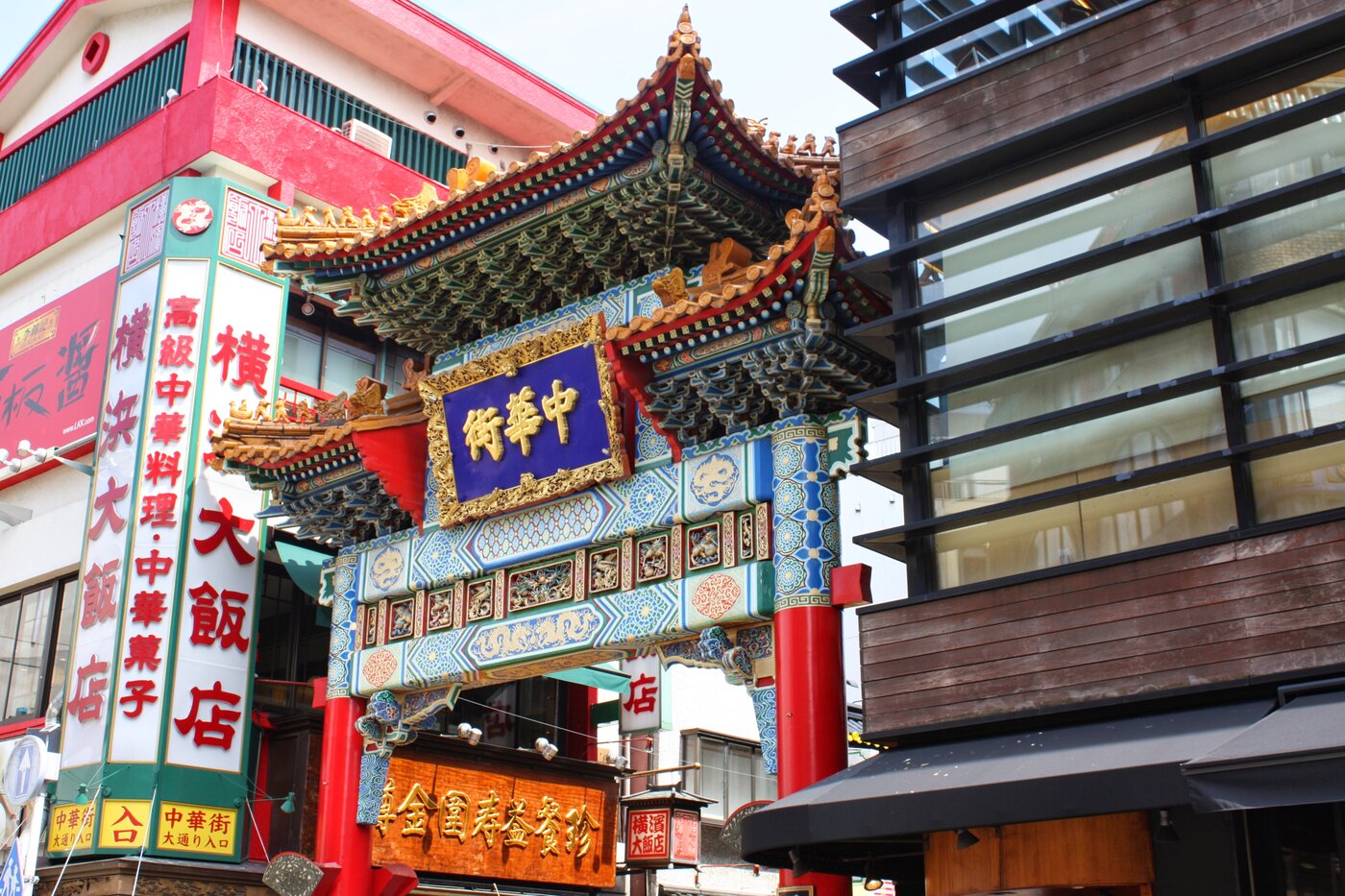
It has its tourist side and its real side: if you arrive at 9–10am, before the crowds build, it’s a genuinely interesting place to walk.
One honest note about food in Chinatown: don’t go into the first place you see. Many restaurants here live off tourist foot traffic and the quality-to-price ratio is mediocre. The better spots tend to be on the side streets, are usually smaller, and often have a queue. If you see a line of Japanese people, that’s always a good sign.
From Chinatown, walk ten minutes south to Motomachi (元町), the historic shopping street of the district. The atmosphere is noticeably different from Chinatown: quieter, more boutiques, more history. In the 19th century this was where foreign residents came to shop. It still has a slightly different character from the rest of Yokohama.
Mid-morning: Yamate
From Motomachi, walk up any of the slopes toward Yamate (山手). This is what most people skip, and it’s one of the most interesting places in the entire city.
Yamate was the neighborhood where foreign residents lived during the Meiji period, when Yokohama was Japan’s main port. Several Western-style historic houses from the late 19th and early 20th century are still preserved here, some open to the public, free admission. They’re small, well-maintained, and give a real picture of how foreign merchants and diplomats lived in that era of Japan.
Walking around Yamate also gives you something you rarely find in urban Japan: silence. It’s a residential neighborhood on elevated ground, with views of the harbor, large trees, and very few people. If the day is clear, the views alone are worth the climb.
Midday: eating without the tourist trap
For lunch, my recommendation depends on budget:
- Budget: the supermarkets in Motomachi have quality bento and onigiri. Eating in the park near the waterfront costs ¥500–800 and is an experience in itself.
- Mid-range: look for a ramen or teishoku restaurant away from Chinatown. The streets running parallel to the port have decent options for ¥900–1,200.
- If you want to sit down properly: the Minato Mirai area has restaurants with harbor views. Quality varies, but the Landmark Tower area has good options if the weather is nice.
Afternoon: the harbor and Osanbashi
Osanbashi Pier (大さん橋) is Yokohama’s international passenger terminal, redesigned in the early 2000s with striking architecture: a wooden undulating roof that functions as an elevated park over the water. The views of the Minato Mirai skyline from here are the best in the city. Free entry, open all day.
From Osanbashi, walk along the waterfront toward Minato Mirai, the modern high-rise district. The Landmark Tower has a paid observation deck, but the views from street level or from the pier itself are already very good.
Late afternoon: live sport (if there’s a match)
This is where Yokohama offers something almost no guide mentions.
The stadiums: a Yokohama most people never see
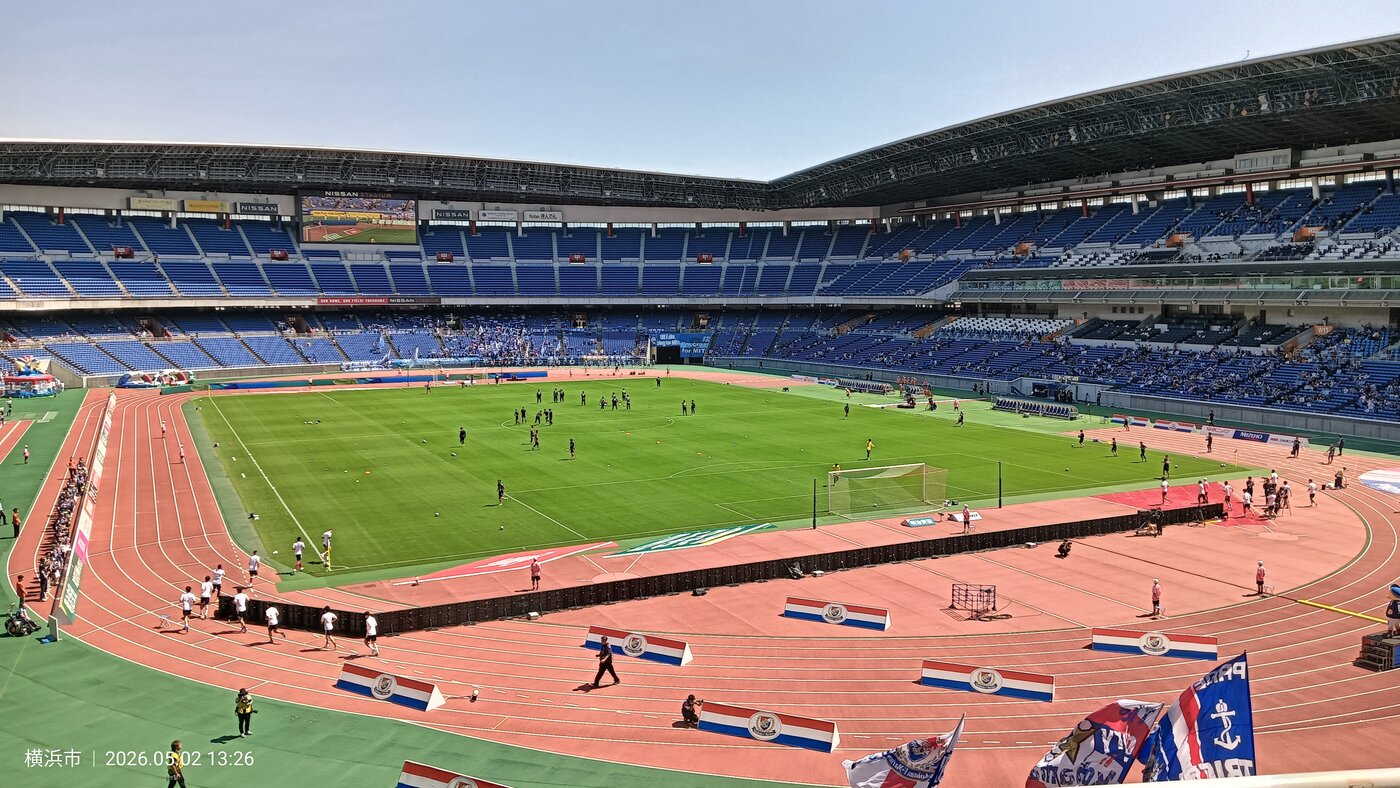
One of my first memories in Yokohama, newly arrived in Japan, still finding my footing in the country, is watching FC Barcelona play at Nissan Stadium (日産スタジアム). The stadium was packed, the atmosphere was unlike anything I’d experienced at a match in Europe, and I understood that football here has its own particular way of being lived.
Nissan Stadium is the largest in Japan (72,000 seats), home of Yokohama F. Marinos in the J.League, and the venue where the 2002 World Cup final was played.
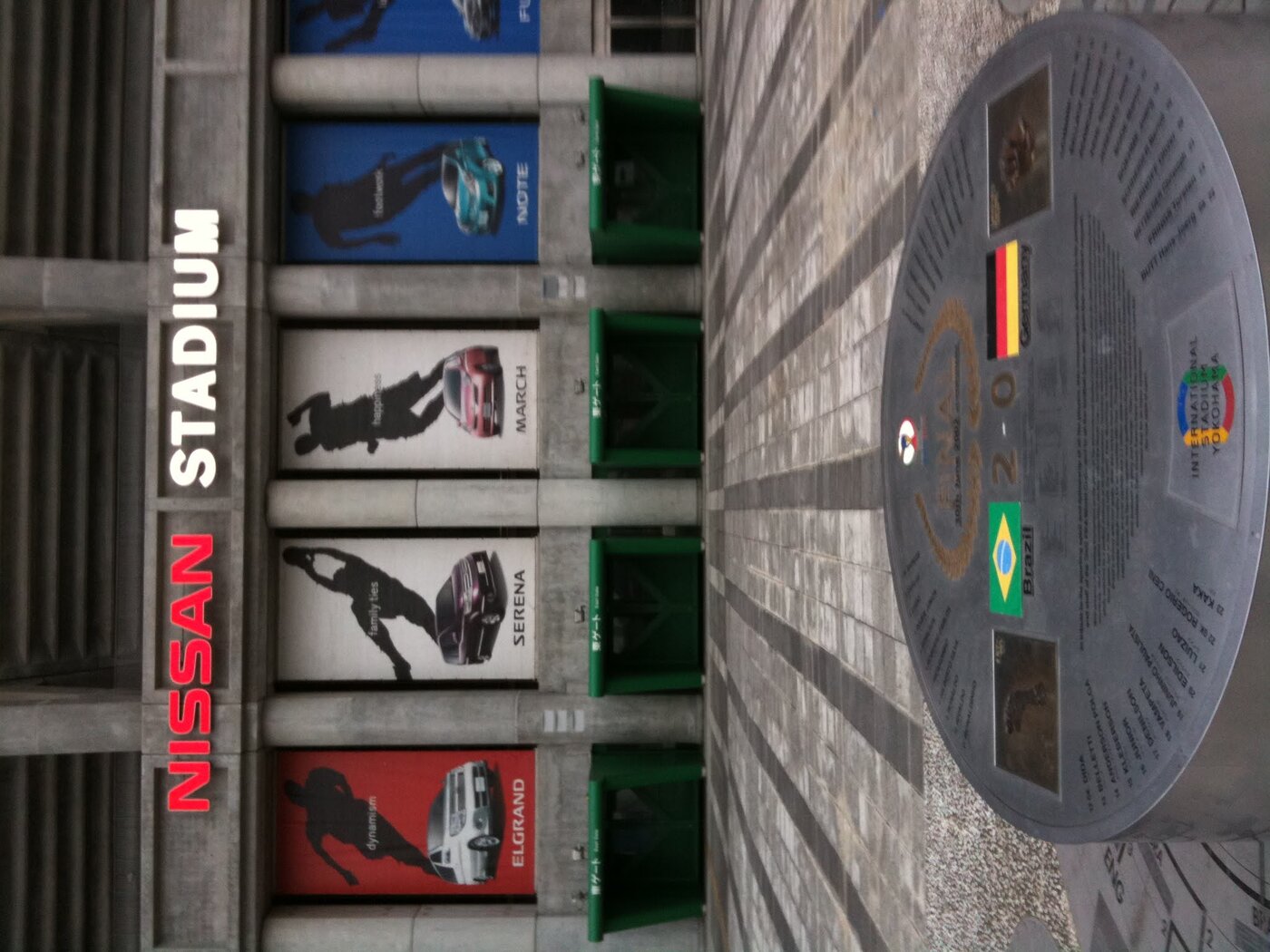
It’s in Shin-Yokohama, a bit north of the city center, and worth a visit even without a match, on non-match days you can walk around the exterior and the surrounding area is pleasant. But if there’s a Marinos game, go to the game. Attending a J.League match in Japan is a very different experience from what you might expect: organized, colorful, with choreographed supporter sections, and without the tension that sometimes accompanies stadiums in Europe. The whole family can attend comfortably.
One thing you won’t see coming: right before the players walk out, the entire stadium sings 民衆の歌 (Minshū no uta), the Japanese version of Do You Hear the People Sing? from Les Misérables. The Marinos adopted it as their pre-match anthem in 2013 and it’s been part of the ritual ever since. It makes a strange kind of sense once you know the club: the team’s nickname is Tricolore, blue, red and white, the colors of France, a nod to the historic alliance between Nissan and Renault. A Japanese stadium, singing in Japanese, a French song set during the French Revolution, before a football match. It’s exactly the kind of thing you can’t make up, and that you only get to see by being there.
The J.League calendar is at jleague.jp months in advance. Tickets are bought online and usually available until match day.
The second stadium is Yokohama Stadium (横浜スタジアム), known locally as “Hama-star,” right inside Yamashita Park, which is already a pleasant place to walk along the waterfront. It’s home to the Yokohama DeNA BayStars in the NPB (Japan’s professional baseball league).
Japanese baseball live is, for anyone who hasn’t experienced it, surprising in the best way. The crowd has songs and chants for each player and each moment of the game. Beer is served by attendants who carry the keg on their backs and move through the stands. There’s a ceremony and an order to everything that initially seems excessive and then you miss it when you watch baseball anywhere else. The BayStars calendar is at baystars.co.jp.
If your visit overlaps with a match at either stadium, or both, if you’re lucky with the calendar, reorganize the day to end there. It’s the kind of plan people remember.
What most people miss
Beyond Yamate and the stadiums:
Sankei-en (三渭苑) is a traditional Japanese garden in the southern part of Yokohama, with historic structures brought from across the country. Large, quiet, and exceptional in autumn (November) when the momiji foliage changes. Admission ¥700.
Manyo Club (万葉倶楽部) is right at the harbour in Minato Mirai and is one of the best urban onsen options in the region: thermal water transported directly from Hakone, communal baths and kashikiri-buro (private rental baths) available to book. Open 24 hours. If you end the day in Yokohama looking for something different, it’s an unexpectedly good option. More on how onsen works and what to expect in our complete onsen guide.
Noge (野毛) is Yokohama’s bar and izakaya district, known for being one of the most authentic and affordable in the prefecture. I went there for dinner several times when I was working near the port, small izakayas, no English menu, regulars who’ve been sitting on the same stool for years. It’s exactly what it looks like from the outside: unfiltered, no tourist markup, neighborhood prices. If you’re staying for dinner in Yokohama, this is where to go.
The Nippon Maru, a historic sailing ship permanently moored at Minato Mirai, open as a museum. Good if you have kids or an interest in maritime history.
Common mistakes in Yokohama
Arriving late. If you get to Yokohama at 2pm, you’ll have a half-day at best. Leave Tokyo before 9:30am.
Staying only in Chinatown. It’s the most visible destination and the most crowded. The rest of the city is more interesting.
Confusing stations. Yokohama Station and Minato Mirai Station are not the same, and the walk between them is about 20 minutes. Check which station is closest to your first destination before you go.
Ignoring Chinatown restaurant hours. Many places close between lunch and dinner service (roughly 14:00–17:00). If you arrive at 3pm hungry, half the restaurants may be closed.
Trying to do Yokohama and Kamakura in one day. It’s possible, but tight. If you want to see both properly, give each one its own day.
FAQ
Is it worth staying overnight in Yokohama? Yes, if you have more than two days in the area. Yokohama has good hotels, generally cheaper than Tokyo, and it’s a comfortable base for visiting Kamakura, Hakone, or even Mount Fuji.
Better than Kamakura? They’re different experiences. Kamakura is more compact, more focused on temples and nature. Yokohama is more urban, historically interesting in a 19th–20th century sense, and more varied. If you have a day for each, do both.
With kids? Very manageable. The port, the parks, baseball, the Zoorasia zoo (a bit further out but excellent), the Nippon Maru ship museum, there are options for kids of any age. Avoid Yamate with a stroller because of the slopes.
How much money do I need for the day? Transport from Tokyo: ¥300–600 each way. Food and entry fees: ¥2,000–4,000 depending on your plan. If you go to a match, add ¥1,500–3,500 for a ticket. A well-organized full day runs ¥4,000–8,000 per person, not counting extras.
A final note
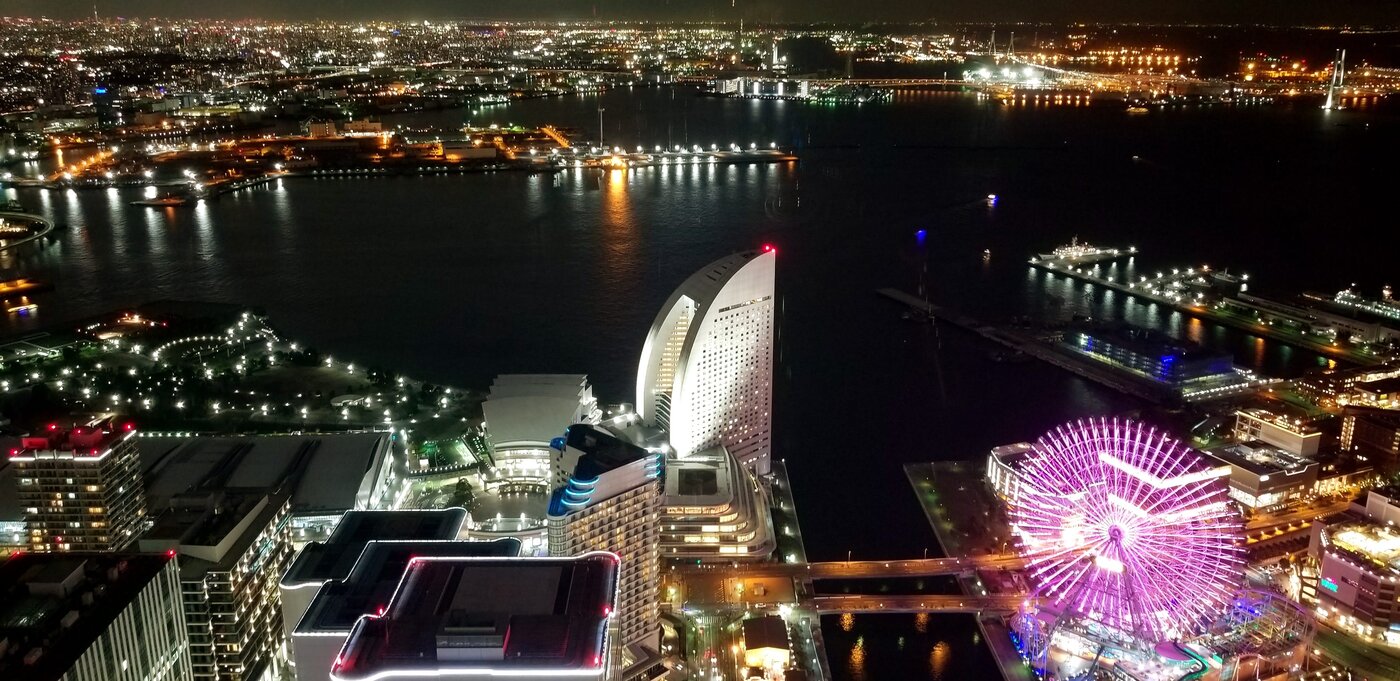
Yokohama won’t leave you speechless the way Kyoto does. It doesn’t have Tokyo’s density or Nara’s nostalgia. What it has is something different: a real city, with its own history and layers that reveal themselves on foot. Most tourists treat it as a stopover or a half-afternoon side trip. The ones who give it a full day tend to leave wishing they’d come sooner.
If you have any questions about the itinerary, the logistics, or how to fit it into the rest of your trip, get in touch.
Prices and hours updated May 2026. Stadium access and costs vary by event, check the official calendars before planning.
In February 2025, the active cast of the Japanese production of Les Misérables went to Nissan Stadium to sing 民衆の歌 alongside supporters at the season opener. It wasn’t the first time, they’ve done it occasionally since the club adopted the song in 2013, but it was the first time at an opening match. In case more proof were needed that this club is something else.
Related reading
If you found this useful, these guides go well with it:
About the author
Editorial entity
Yen & Zen is written by a Spanish-Japanese couple based in Kanagawa Prefecture, in the Tokyo metropolitan area. We have been in Japan since 2010. The site is a hobby project covering practical calculators and articles about life and travel in Japan, with verified figures and citations to official sources. We are not lawyers, accountants, or licensed advisors; articles here are based on observation, personal experience, and published official rules — not on professional consultation.