June 2 in Yokohama: 167 years since the port opened to the world
June 2 is a special day in Yokohama. Schools in the city close, the port fills with people, and there are fireworks over the bay. It’s not a national holiday, it’s something more specific and more local: the anniversary of the day Yokohama opened its port to the world.
In 2026 that’s 167 years.
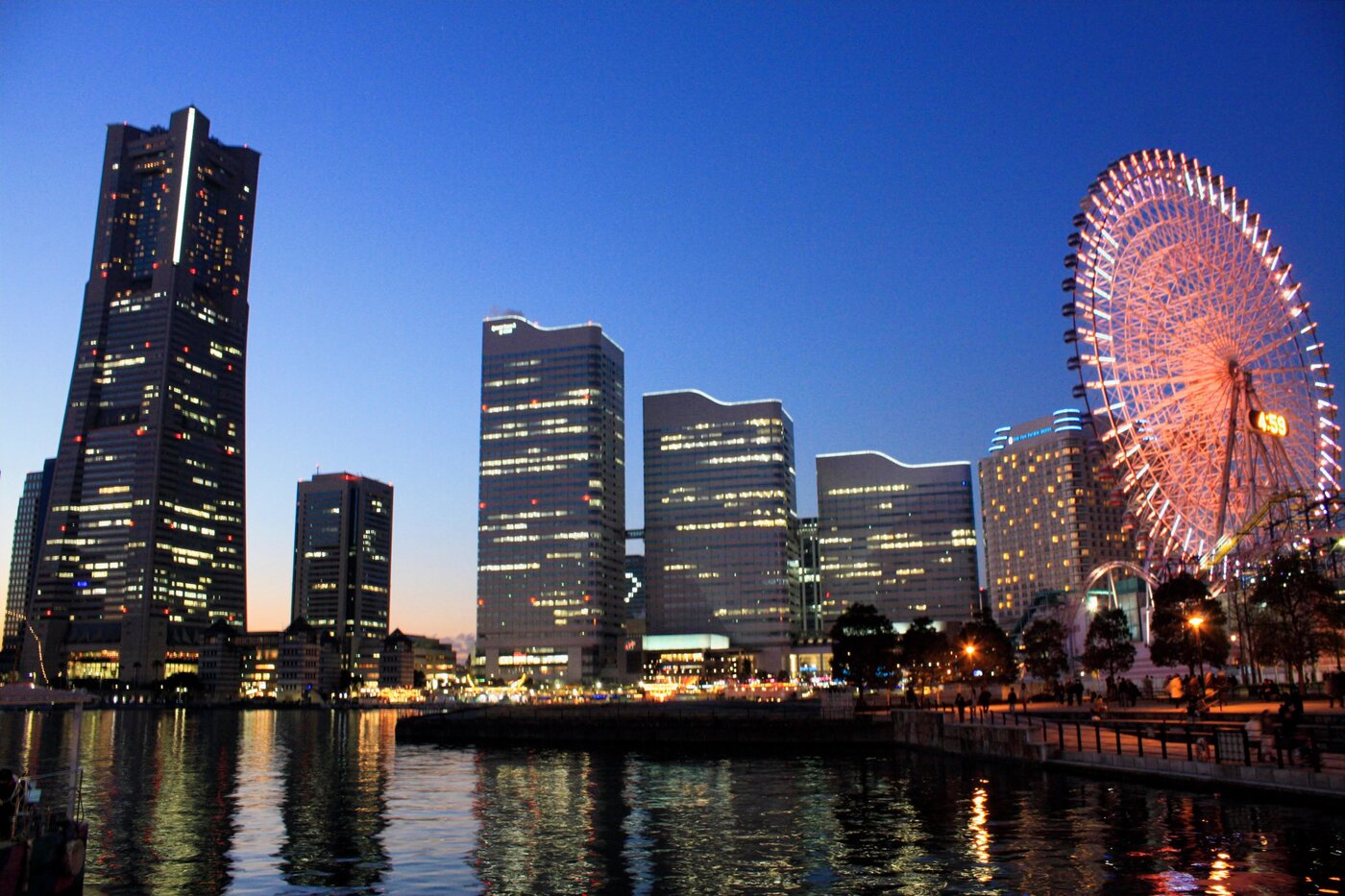 For those of us who live here, it’s one of those dates that reminds you how much this corner of the world has changed in a very short time.
A fishing village that changed Japan
In 1853, when Commodore Perry’s steam-powered warships appeared in Uraga Bay with their cannons pointing toward shore, Yokohama was barely anything. A fishing village of about a hundred people on the coast of Tokyo Bay, with no port, no infrastructure, and no apparent reason to appear in any history book.
Japan had spent more than two centuries in near-total isolation. The Tokugawa regime had closed the country to foreign trade with minimal exceptions. Nagasaki, where the Dutch maintained a small trading post on the artificial island of Dejima, was the only real window to the outside world. Leaving or entering Japan without permission was, literally, a capital offense.
Perry returned in 1854 and the shogunate signed the Convention of Kanagawa, the first treaty opening Japanese ports to American ships. Four years later, under growing pressure from several Western powers, the Tokugawa government signed the Treaties of Amity and Commerce with the United States, Britain, France, Russia and the Netherlands. Japan would open several ports to international trade.
The question was which ones. The shogunate’s representatives wanted to open Kanagawa, on the main route between Edo (now Tokyo) and Kyoto, the better to keep foreign residents under surveillance. Western diplomats wanted exactly the same thing: easy access to the capital. Negotiations were tense.
The solution was an odd compromise: a new port would be built from scratch on the opposite shore of the bay, in that unremarkable corner called Yokohama. Far from Kanagawa, far from the main routes, isolated enough for the shogunate to control the flow of foreigners. On June 2, 1859, Yokohama opened as an international port.
What nobody anticipated was that this deliberately peripheral port would become Japan’s main gateway to the modern world.
From fishing village to Japan’s second city
In less than fifty years, Yokohama’s population grew from a hundred people to over three hundred thousand. The port the shogunate had designed as a cage became the centre of gravity of Japanese trade. Silk, tea and copper left through Yokohama bound for Europe and America. Steam engines, political ideas and the everyday objects of the Western world came in through the same place.
The Yamate neighbourhood, on the hills above the port, was where the first foreign residents settled, merchants, diplomats, missionaries, adventurers of every kind. Their Western-style houses still stand and can be visited. Chinatown, the largest in Japan, grew alongside the port at the pace of Chinese workers who arrived to build and manage the new commercial infrastructure.
Yokohama was also the city where many things arrived in Japan for the first time: the country’s first foreign-language newspaper was published here in 1861, Japan’s first football match was played here in 1866, the first Western-style bread was baked here. The city the shogunate had chosen precisely for its insignificance became the laboratory of modern Japan.
June 2 today: a city celebration
June 2 is an official holiday at all state schools in Yokohama, one of very few cities in Japan with its own local holiday. For the city’s children it’s simply a midweek day off. For adults who know the history, it carries a different weight.
This year the main celebration is the 45th Port Opening Festival, running June 1 and 2 in the Minato Mirai area. The festival has been the city’s signature early-summer event for decades, concerts, port activities, food stalls, and the element that draws the biggest crowds:
The “Beam Spectacular in Harbour”, around 3,000 fireworks over the bay on the night of June 2, synchronised with music connected to Yokohama. It’s one of the first major fireworks displays of the year in the Kanto region, and informally marks the beginning of summer in the city.
How to experience it if you’re visiting
The main festival area. Rinko Park and around the Red Brick Warehouses, fills up from early afternoon on June 2. If you want to watch the fireworks from the main area, arrive before 17:00 to secure a spot.
Less crowded alternatives are Yamashita Park and the Harbour View Park (港の見える丘公園), both have direct views of the bay and tend to be somewhat less packed than Rinko Park. From Yamashita Park you also have a clear line of sight to the water and the atmosphere is calmer.
To get to the festival area from Tokyo, the most comfortable option is the Tokyu Tōyoko Line to Minato Mirai Station or the JR Keihin-Tōhoku Line to Sakuragichō. The last train back is usually late enough to see the full fireworks show, but check timetables before you go.
A practical note: June 2 falls on a Tuesday in 2026, which means less crowding than if it were a weekend. Good news for anyone who wants to see the fireworks without the typical August hanabi crowds.
The legacy you can see by walking
The most interesting thing about the port anniversary isn’t the festival, it’s what’s still visible in the city 167 years later.
Chinatown, Yamate with its historic Western-style houses, the Nippon Maru sailing ship moored in the harbour, the 1920s and 30s architecture in the city centre, all of it is the direct result of that decision made in 1859. Yokohama is what it is because one day someone chose this fishing village to open a door.
If you’re in the city on June 2 or in the days around it, it’s worth taking time to walk around with that perspective in mind. We have a full guide to Yokohama with an itinerary and the places we recommend most.
Festival information updated May 2026. Confirm exact times and locations on the official festival website before attending.
Related reading
If you found this useful, these guides go well with it:
About the author
Editorial entity
Yen & Zen is written by a Spanish-Japanese couple based in Kanagawa Prefecture, in the Tokyo metropolitan area. We have been in Japan since 2010. The site is a hobby project covering practical calculators and articles about life and travel in Japan, with verified figures and citations to official sources. We are not lawyers, accountants, or licensed advisors; articles here are based on observation, personal experience, and published official rules — not on professional consultation.