Atami: the closest onsen destination to Tokyo
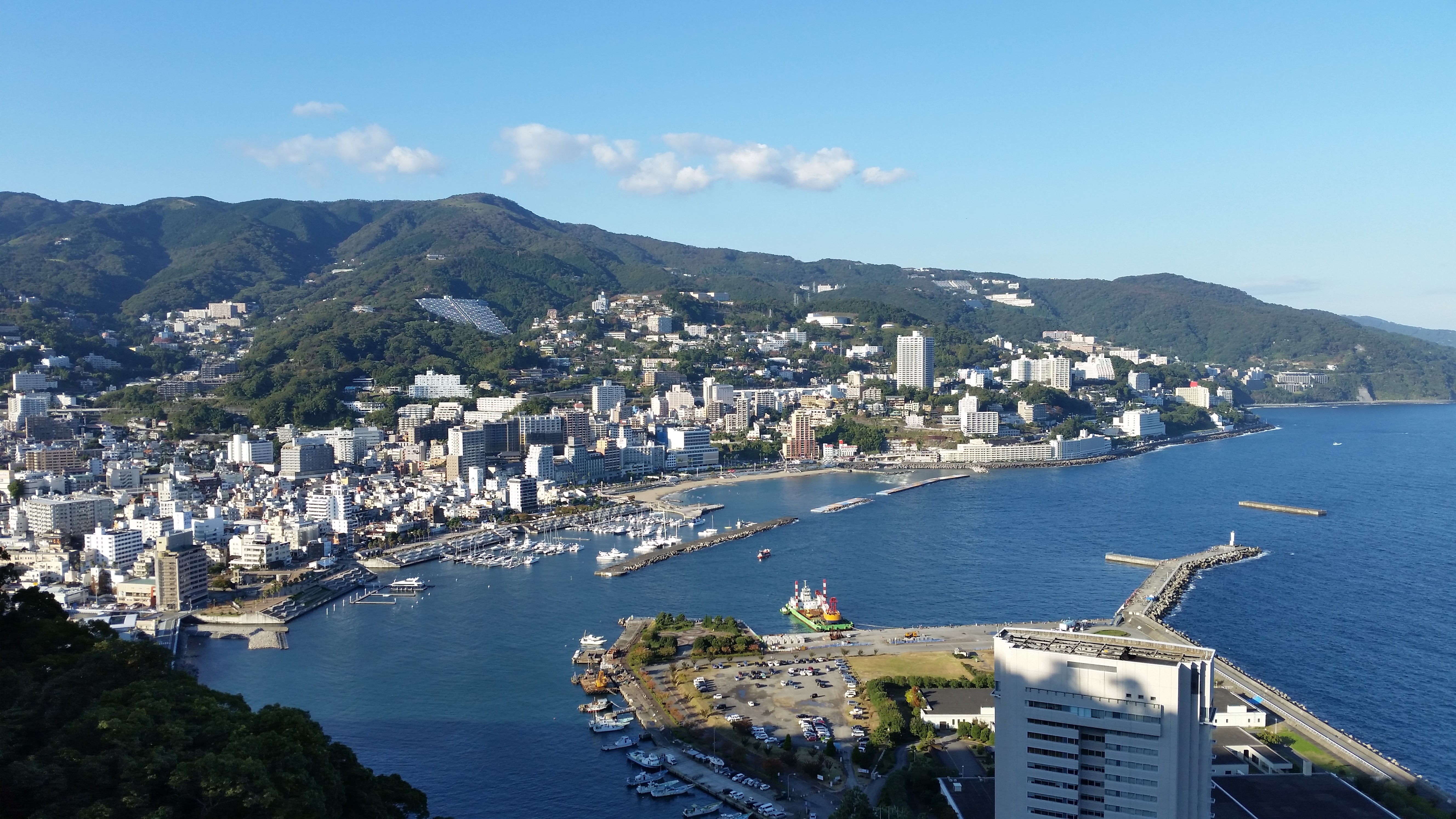
Atami (熱海) has been the default onsen escape for people living in Tokyo for over a hundred years. It is 35 minutes by shinkansen from Tokyo and 50 from Yokohama. It is the fastest option when you want to leave the city, bathe in thermal water and eat fresh seafood from the Izu coast.
I have been to Atami at different times of year and in different stages of life: in November with cold air and a completely clear bay, in August with children and a packed beach. It works differently each time, but it always works.
Getting there
From Tokyo: the Kodama or Hikari shinkansen from Tokyo takes 35 to 45 minutes to Atami Station. The JR Pass covers both services. Conventional JR trains (the Tokaido Line) take between 1 hour and 1 hour 20 minutes but are cheaper.
From Yokohama: the shinkansen from Shin-Yokohama arrives in about 25 minutes. By conventional train from Yokohama it is around 50 minutes.
Atami Station sits at the top of the city. From there to the harbour and city centre is a downhill walk of about 15 minutes, or you can take a local bus.
Onsen in Atami
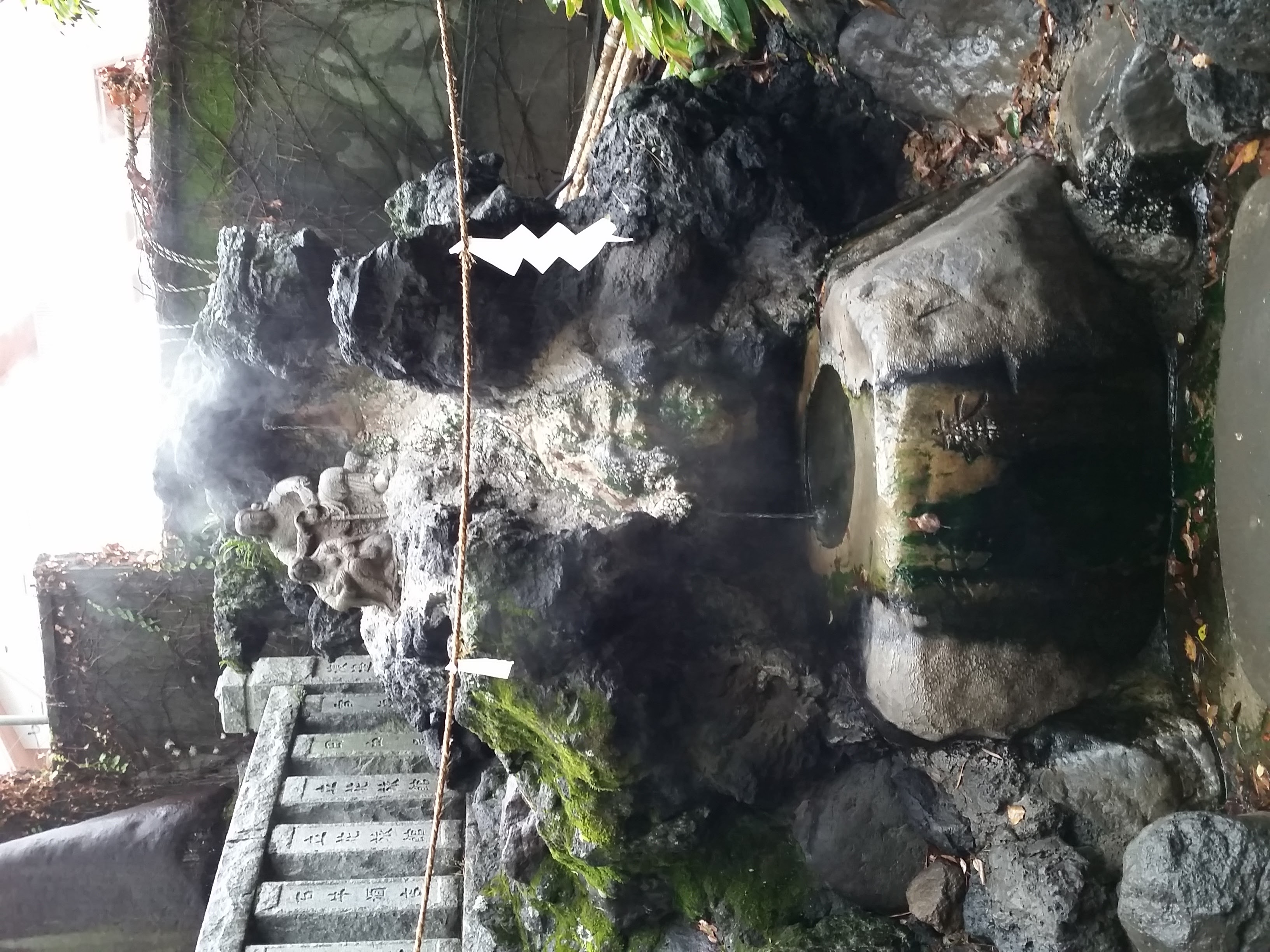
Atami has high-temperature thermal water that rises directly from underground, with a sodium-rich composition that leaves the skin noticeably soft. The city has natural onsen springs scattered through the urban area, some of which have been flowing for centuries. The most well-known are the 熱海七湯 (Atami Shichi-yu), seven historic springs that can be visited on foot, some with visible steam rising from the street.
Onsen in Atami functions mainly as a ryokan amenity. If you are not staying in a ryokan but want to use the onsen, some hotels offer day-use bath access (日帰り温泉, higaeri onsen) without accommodation, typically for ¥1,000 to ¥2,000.
Staying overnight: ryokan in Atami
Atami is one of the best places in Japan for a first ryokan experience. There is a high concentration of establishments across different price ranges, from more accessible options (¥15,000 to ¥25,000 per person with two meals) to premium properties (¥40,000 and above).
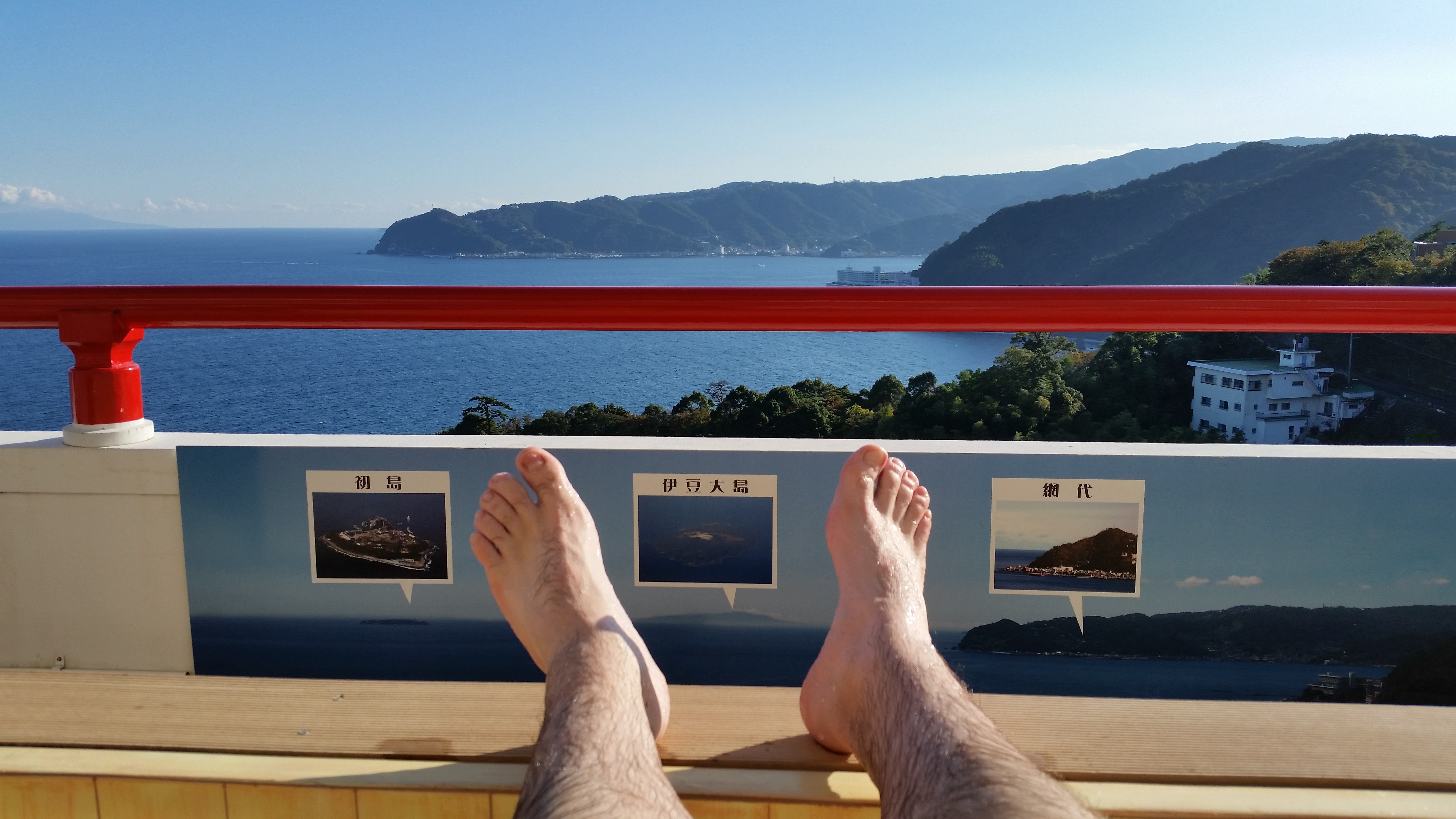
From the terrace or rotenburo of a hillside ryokan, when the weather is clear, you can see Sagami Bay with Hatsushima island (初島) in the distance and, on very clear days, Izu Oshima. The combination of hot water and that view is worth the journey on its own.
The standard format includes a tatami room with futon, kaiseki dinner with Izu coast seafood, Japanese breakfast and free access to the establishment’s onsen baths. Book in advance, particularly on weekends. Atami fills up on Friday and Saturday nights throughout the year.
Food in Atami
The strength of Atami at the table is the seafood from the Izu coast. The two dishes most worth seeking out:
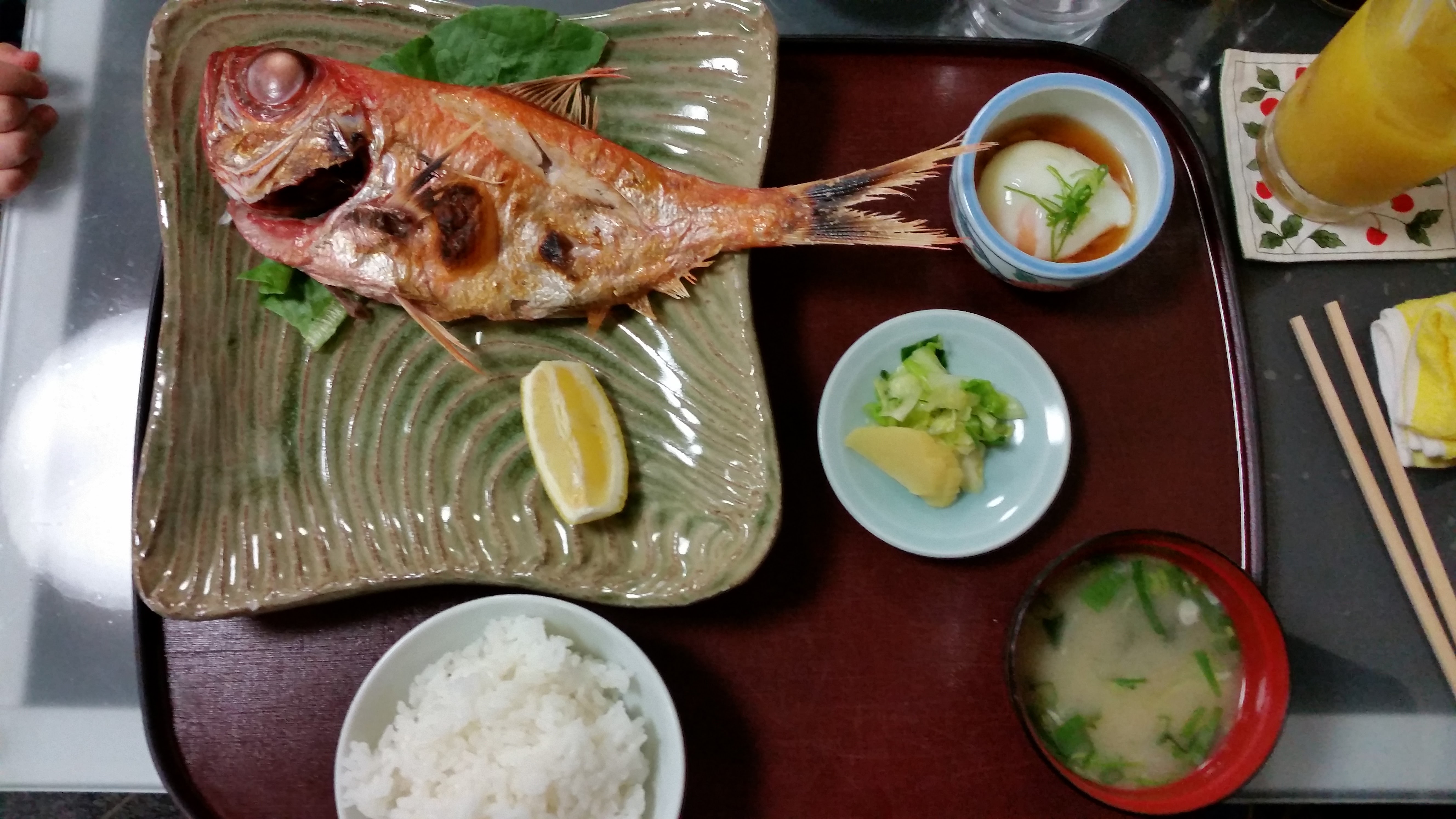
Kinmedai (金目鯛, golden-eye snapper): the fish of the region. It is eaten mainly grilled or in nitsuke (simmered with soy and mirin). The flesh is fatty with an intense flavour. If kinmedai is on the menu, it is the dish to order.
Maguro don (まぐろ丼): a bowl of rice with thick slices of raw tuna. The Izu coast has its own tuna market and the harbour restaurants serve versions with whatever arrives that morning.
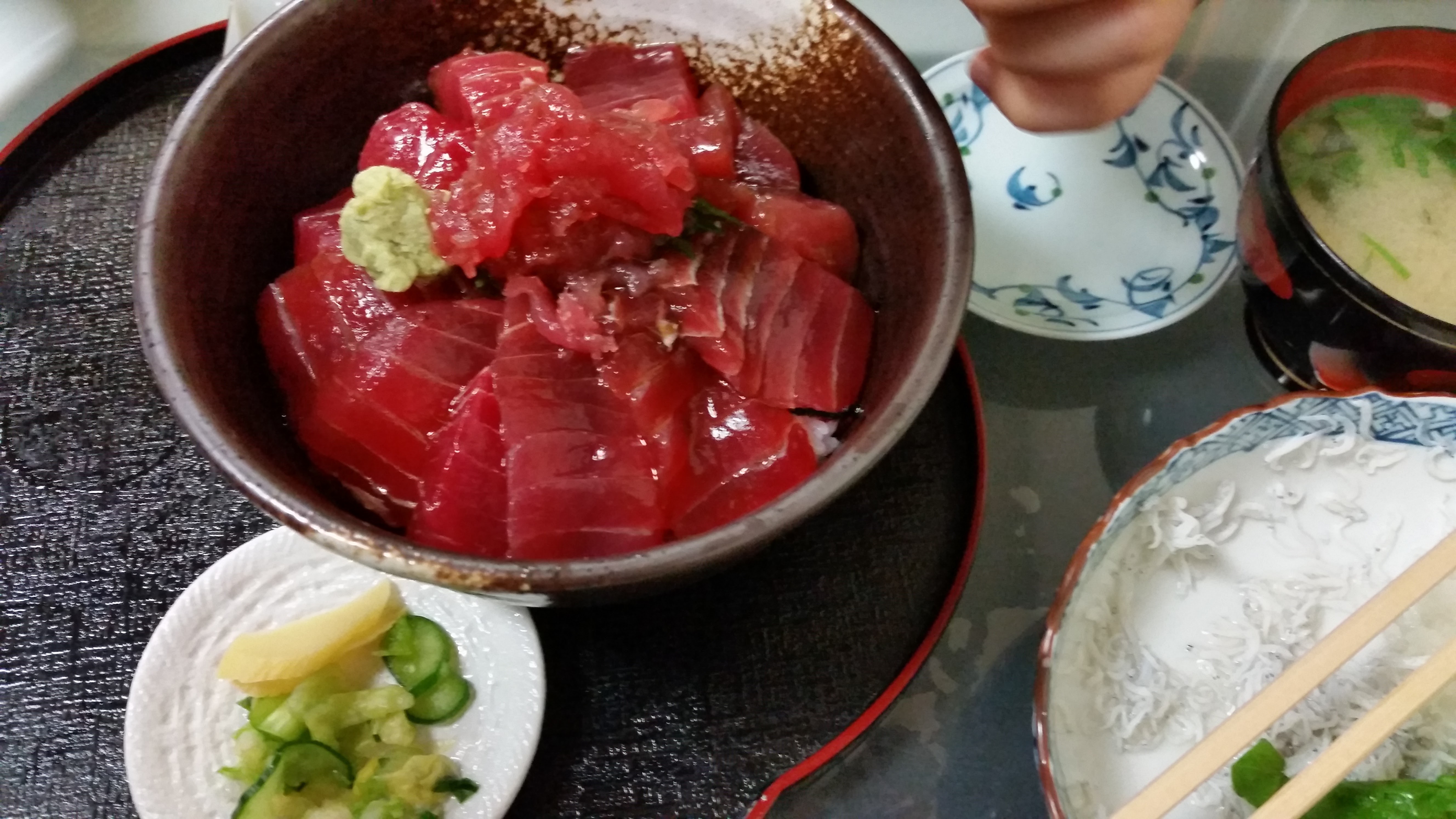
A seafood breakfast at one of the stalls in the fish market is also worth doing if you arrive early.
The MOA Museum of Art
Climbing up from Atami Station, the MOA Museum of Art (MOA美術館) is a visit that surprises. The building is integrated into the hillside with views over the ocean. The permanent collection includes three National Treasures of Japan, Edo-period ceramics, lacquerwork and a solid ukiyo-e woodblock print collection. Admission costs ¥1,600 for adults.
Views from the castle
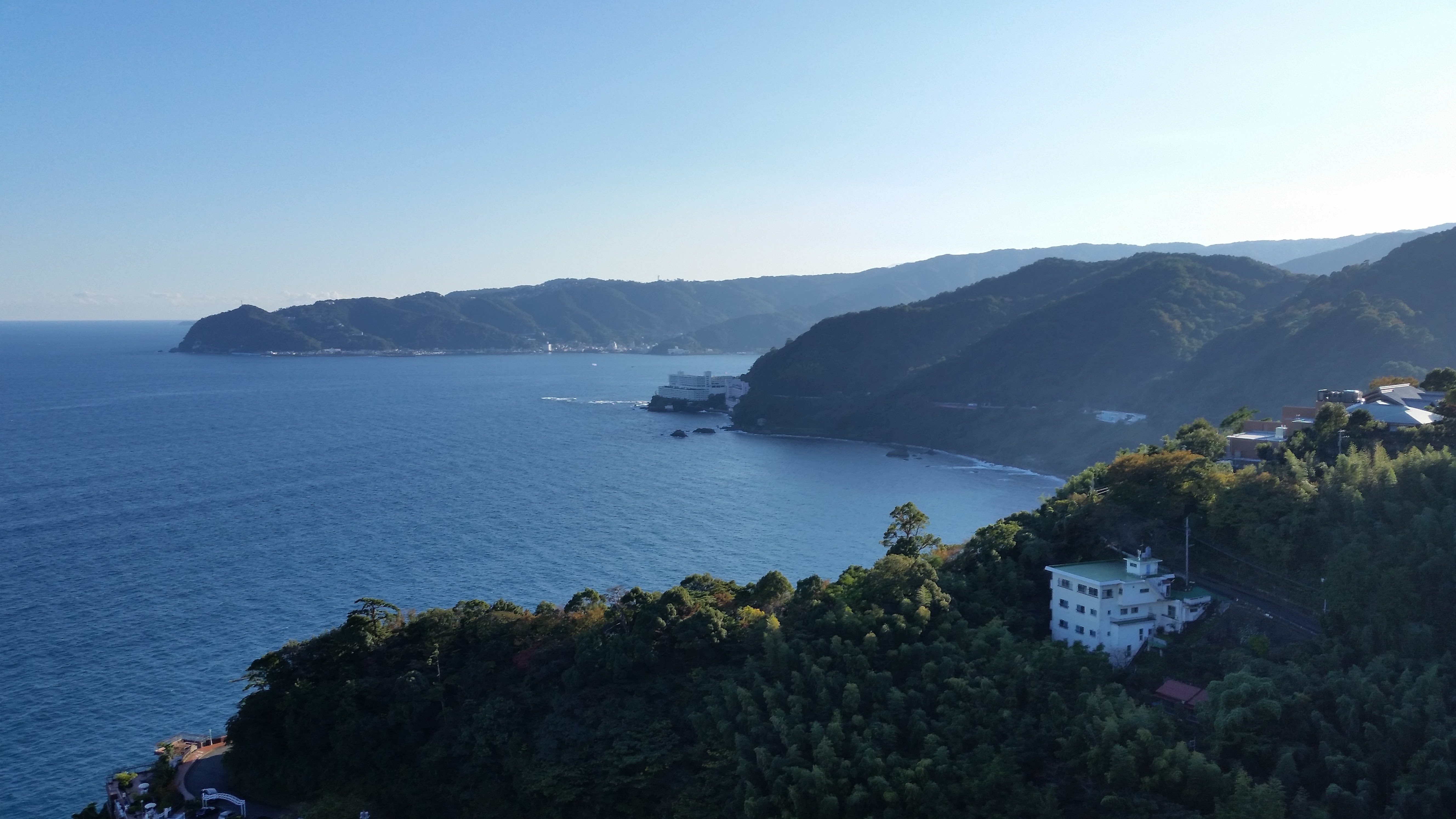
Atami Castle (熱海城) is a modern reconstruction with no direct historical significance, but it has the best panoramic viewpoint over the city, the bay and the Izu coast to the south. Entry is ¥1,000. From up there you understand why the entire hillside is covered in hotels and ryokan: every building is angled toward the sea.
In summer: the beach and fireworks
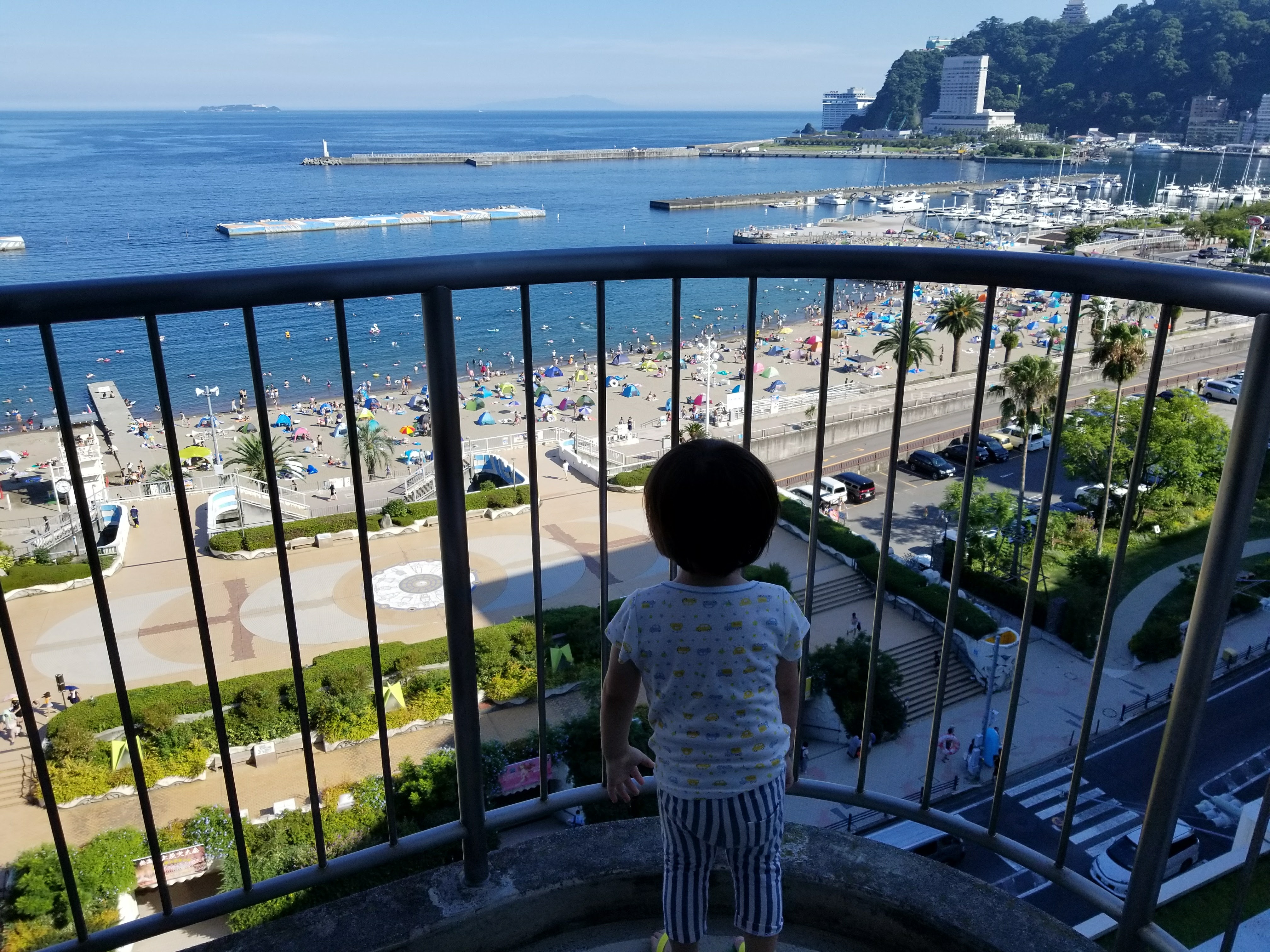
In August Atami transforms completely. The beach fills up, hotels have waiting lists and the city functions again as the summer resort it was for decades. The fireworks displays over the bay (熱海海上花火大会) are among the most well-known in the country. They can be watched from the beach or from hillside ryokan. Book months in advance.
Day trip or overnight ryokan stay
A day trip works if you leave Tokyo early: MOA Museum in the morning, the harbour and market at midday, a higaeri onsen in the afternoon before heading back.
One night is the full experience. The kaiseki dinner with kinmedai, the onsen bath in the evening and a slow morning the next day are what make Atami worth visiting as a destination. It is also one of the most accessible overnight ryokan experiences in Japan in terms of price and distance.
When to go
Atami works year-round, but it has one particularly good season: January and February, when the city holds the Atami Baien Ume Festival (梅まつり), with over 460 plum trees in bloom. It is one of the earliest blooms in Japan, coming nearly two months before cherry blossom season.
Reference prices 2026. Ryokan prices in Atami vary considerably by season; weekends and fireworks dates are significantly more expensive.
Related calculators
About the author
Editorial entity
Yen & Zen is written by a Spanish-Japanese couple based in Kanagawa Prefecture, in the Tokyo metropolitan area. We have been in Japan since 2010. The site is a hobby project covering practical calculators and articles about life and travel in Japan, with verified figures and citations to official sources. We are not lawyers, accountants, or licensed advisors; articles here are based on observation, personal experience, and published official rules — not on professional consultation.