Tokyo DisneySea: the guide for understanding it before you go
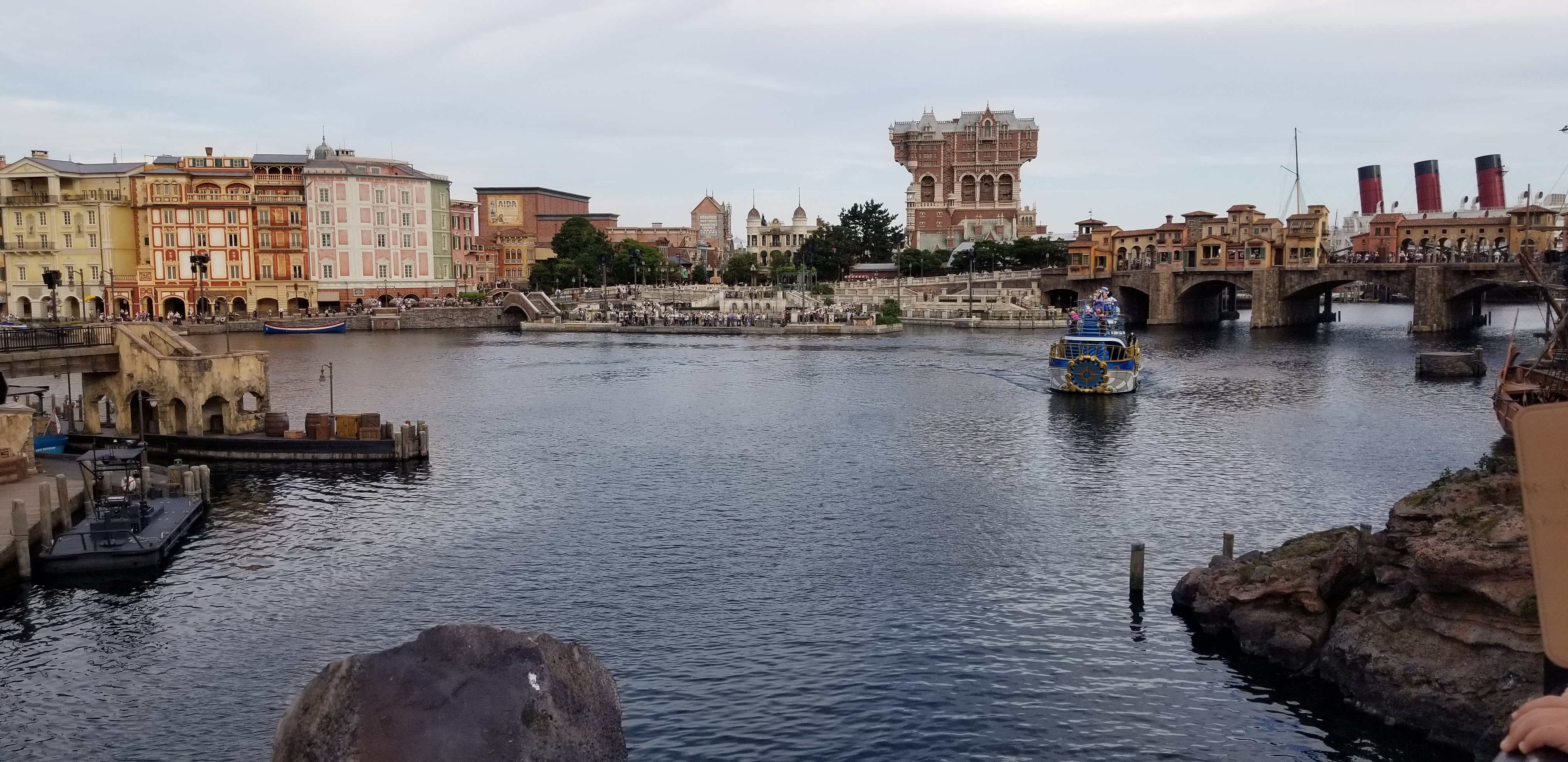
I have been to DisneySea twice. The first time was in 2007 or 2008, shortly after arriving in Japan, with my wife and her sister. We had the whole day, no children, no rush, and we covered the entire park. The second time was in August 2021, in the middle of the pandemic, with all three kids (see our guide to travelling Japan with kids if you’re planning something similar). The tickets were capacity-limited and getting them was more complicated than the visit itself. But we had a near-empty park and zero wait times on the rides.
The two experiences are so different that they feel like two separate parks. In some ways they are.
DisneySea is not Disneyland
This distinction matters. The Tokyo Disney Resort complex, in Urayasu (Chiba), has two parks:
Tokyo Disneyland is the classic park with the castle, the princesses, the Main Street parade and the familiar family rides. It is mainly designed for young children and for those who want the most recognisable Disney experience.
Tokyo DisneySea is something else. It opened in 2001 with a different concept: seven themed “ports” inspired by maritime exploration and sea legends, with a central lake and much of the spectacle happening on the water. It has more attractions for teenagers and adults, more varied food, higher-quality shows. It is the park many Japanese adults visit without children.
It works with young children too, especially Mermaid Lagoon (entirely indoors, for the youngest) and Toy Story Mania. But the overall design is not built around two or three year-olds the way Disneyland is.
The Mediterranean Harbor: the entrance
Walking into DisneySea the first thing you see is the Mediterranean Harbor: Italian-style buildings in ochre and yellow, stone bridges, water, and in the background the Tower of Terror rising above the rooftops. It is the park’s most iconic image and the staging area for the water shows.
The first impression is of a set built to look real, not a theme park dressed as something else. The difference shows.
The main attractions
Journey to the Center of the Earth (Mysterious Island): the park’s signature attraction. A vehicle descends into an active volcano. The queue can be two hours on a normal day; it is one of the first to sell out on Premier Access. If you can only do one attraction, this is it.
Tower of Terror (American Waterfront): the falling elevator. DisneySea’s version has its own storyline featuring explorer Harrison Hightower. More suited to adults and teenagers; young children cannot ride.
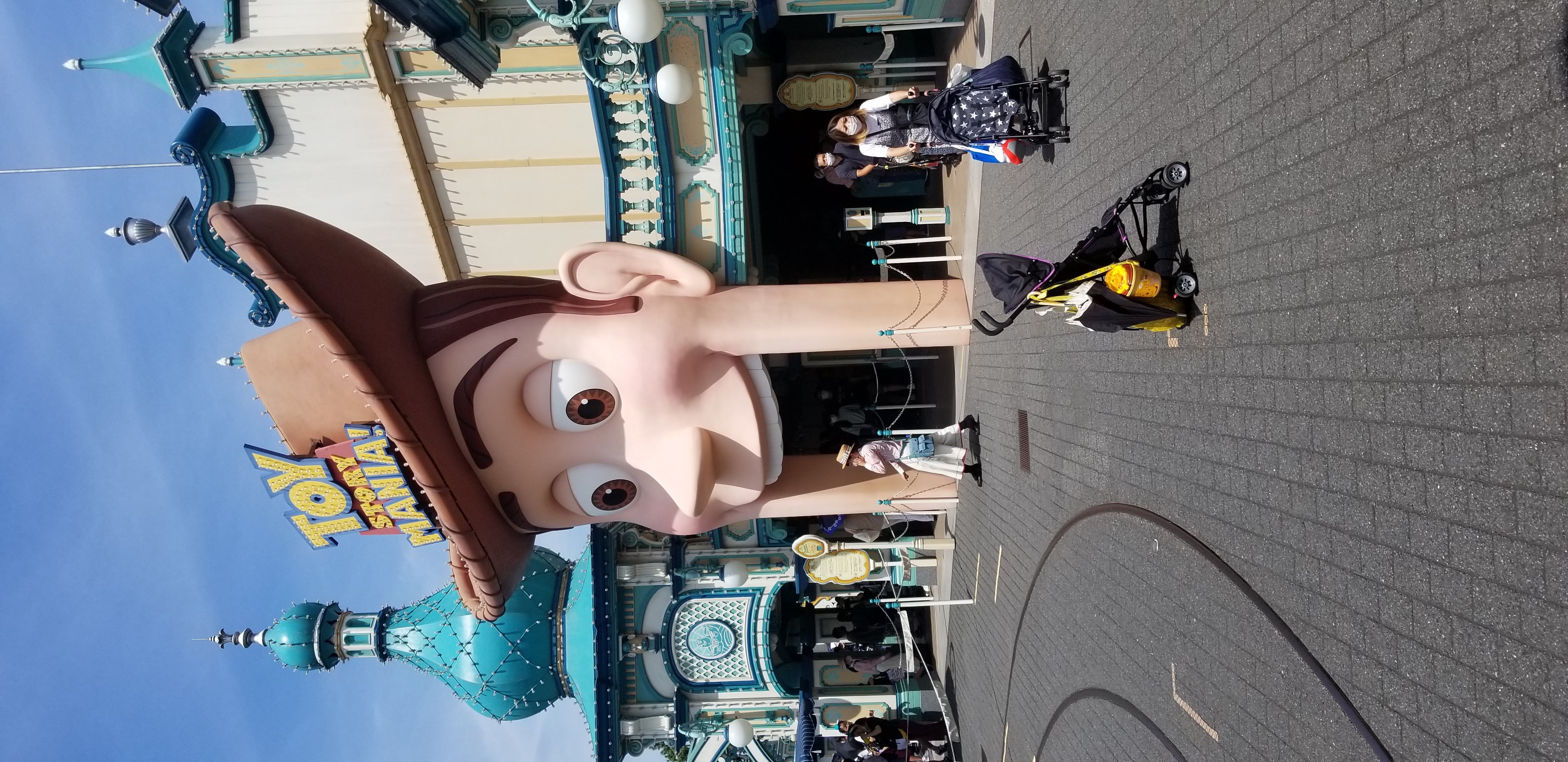
Toy Story Mania (American Waterfront): 3D shooting game where you compete against the other people in your car. Works for all ages. In 2021, with the park running at reduced capacity, we rode it three times in a row.
Sindbad’s Storybook Voyage (Arabian Coast): slow boat ride in the style of “It’s a Small World”, with Sindbad characters. Calm, accessible for everyone, good atmosphere. Works well as a rest between more intense attractions.
20,000 Leagues Under the Sea (Mysterious Island): a submarine that descends into a theatrical version of the ocean floor. No spinning, not frightening, but very well produced.
Mermaid Lagoon: the park within the park for young children
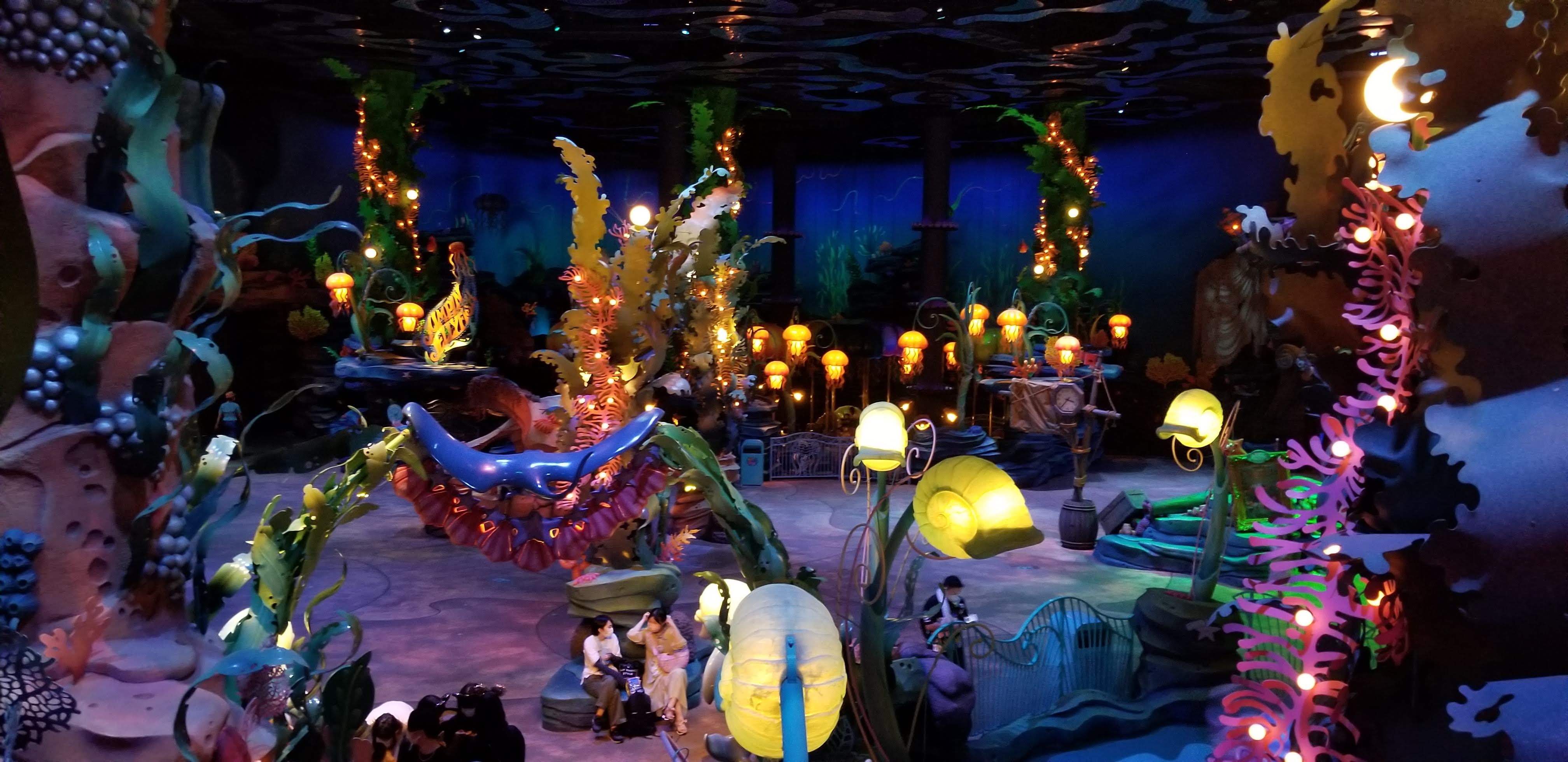
Mermaid Lagoon is the zone best suited to young children and the only fully covered area in the park. The indoor design recreates the underwater world of the Little Mermaid film with careful production detail. It has several small rides, a theatre and play areas. On very hot or rainy days, this is where everyone ends up.
The shows
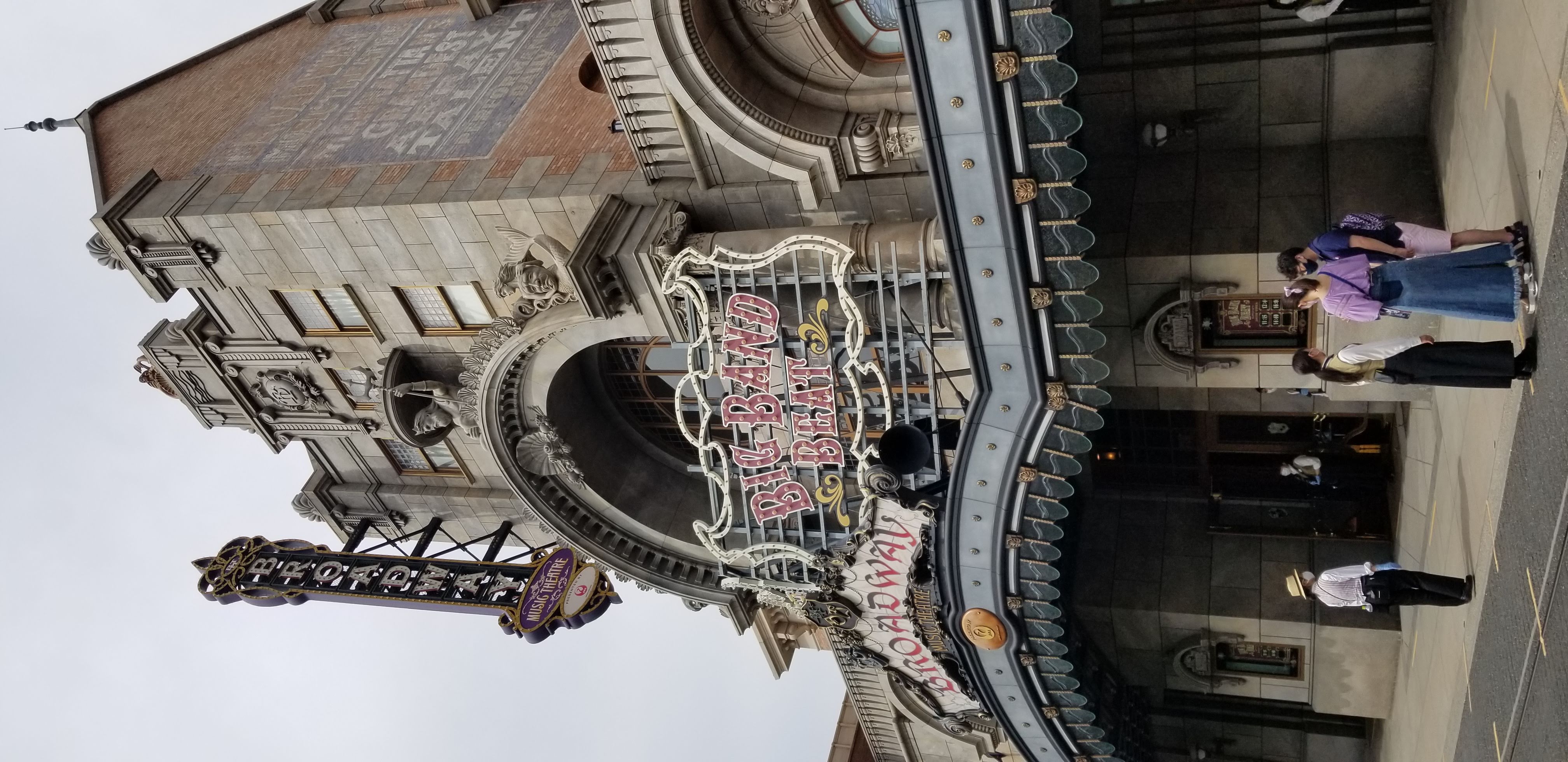
Big Band Beat at the Broadway Music Theatre (American Waterfront) is probably the best show in the park. An hour of jazz, swing and Disney with live musicians, dancers and characters. Tickets are obtained through a same-day lottery via the app; you need to enter the draw as soon as you arrive.
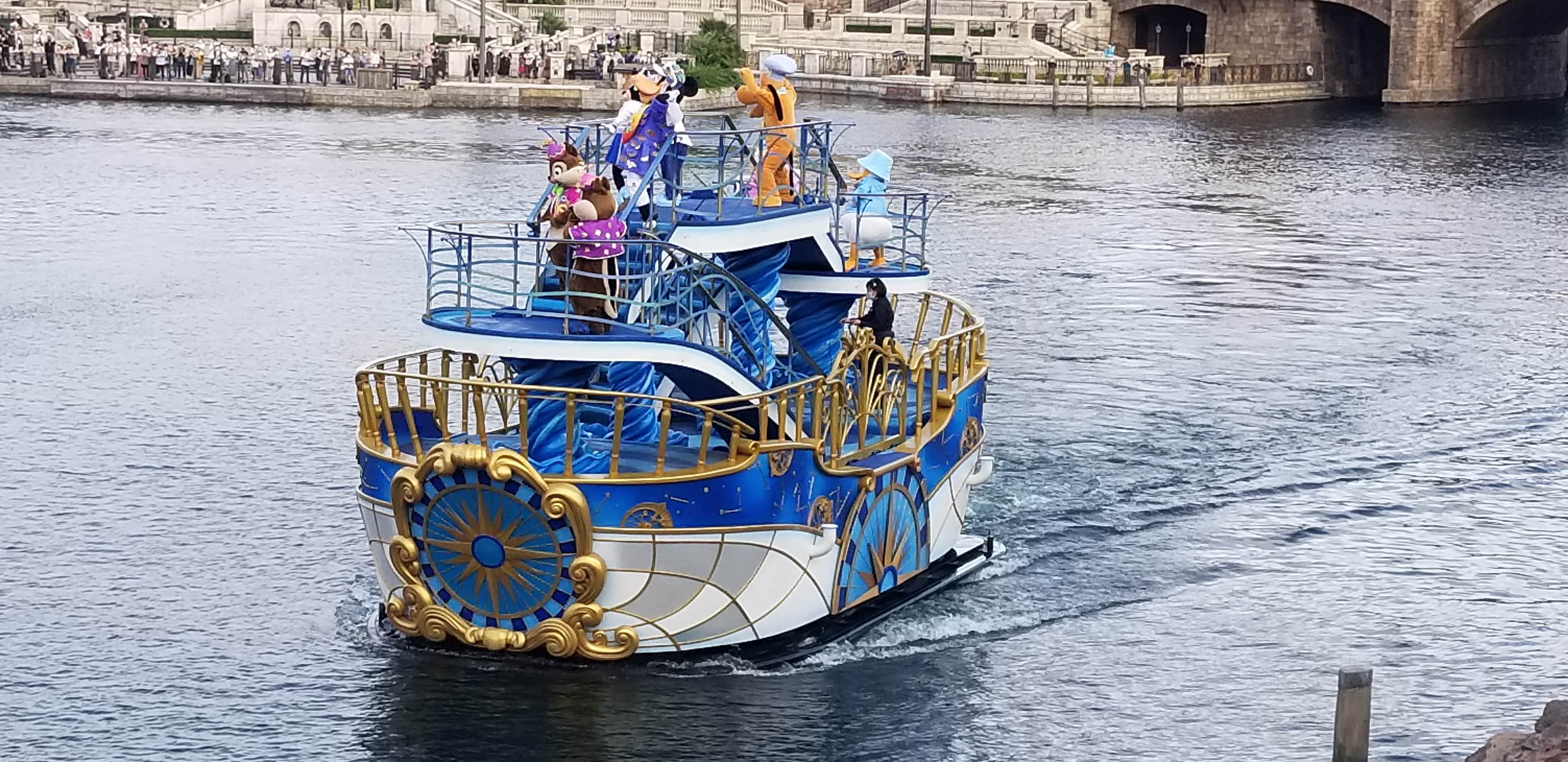
The water parade in the Mediterranean Harbor is another highlight of the day. Characters sail across the lake on decorated boats while guests watch from the waterfront.
Fantasy Springs: the new area (2024)
In 2024 Fantasy Springs (ファンタジースプリングス) opened as the park’s eighth themed port. Three worlds: Frozen (Elsa and Anna), Rapunzel (the Snuggly Duckling tavern) and Peter Pan (Neverland). It also includes the new Fantasy Springs Hotel, located inside the park and accessible only to hotel guests.
It is the newest and most in-demand area. Wait times for the Frozen attractions are among the longest in the park. If you want to experience it without long queues, Premier Access or arriving at park opening are the options.
How to buy tickets
Tickets are purchased through the official Tokyo Disney Resort website (tokyodisneyresort.jp). They are not sold at the gate on the day: everything is online with a fixed date. Book well in advance, especially in summer, Golden Week and public holidays.
In 2021, with pandemic-reduced capacity, tickets sold out within minutes of going on sale. Demand remains high; this is not about showing up on the day, it is about booking weeks ahead.
Reference price: a one-day adult ticket is around ¥10,900 (2026 prices; may vary by date and demand as the system uses dynamic pricing).
Premier Access and wait times
DisneySea uses Premier Access: buying priority access in advance (via the app) for specific attractions. It is not mandatory, but for Journey to the Center of the Earth or Tower of Terror on busy days it can be the difference between riding or not.
On a normal day (weekday, outside public holidays) the main attractions have between 60 and 120 minutes of wait time. Arriving at park opening and heading straight to the most popular attractions remains the most effective strategy.
Tattoos are not allowed
Worth knowing before you go: the Tokyo Disney Resort prohibits visible tattoos. The policy applies to any tattoo that can be seen, regardless of size or design.
A friend of mine went to Disneyland (the policy is the same at both parks) with a large skull tattoo on his leg. He was refused entry at the gate. The solution was to change into a pair of long trousers he had in his bag. Once the tattoo was covered, no problem.
If you have visible tattoos, bring clothing that covers them. In summer, with the heat, it can be uncomfortable, but it is a condition the park enforces at the entrance. There is no negotiating at the gate.
Getting there
The Tokyo Disney Resort complex is in Maihama (舞浜). From Tokyo: JR Keiyo Line from Tokyo Station to Maihama (15 minutes). From there, the Disney Resort Line (paid monorail) reaches Tokyo DisneySea Station in one stop.
From Yokohama: the fastest route is the JR Keiyo Line from Shin-Kiba (with a change at Tokyo or Shin-Kiba depending on your starting point). Total time: about 40 to 50 minutes.
How much time do you need
One full day is the minimum that makes sense. If you want to do Journey to the Center of the Earth, Tower of Terror, Toy Story Mania, a show and the parade, plus time moving between areas and eating, the day fills itself.
With young children the pace is different: more time in Mermaid Lagoon, more breaks, possibly fewer attractions but equally exhausting.
Reference prices 2026. Tokyo Disney Resort’s dynamic pricing system means the cost varies by date. Check tokyodisneyresort.jp before buying.
Related calculators
About the author
Editorial entity
Yen & Zen is written by a Spanish-Japanese couple based in Kanagawa Prefecture, in the Tokyo metropolitan area. We have been in Japan since 2010. The site is a hobby project covering practical calculators and articles about life and travel in Japan, with verified figures and citations to official sources. We are not lawyers, accountants, or licensed advisors; articles here are based on observation, personal experience, and published official rules — not on professional consultation.