Universal Studios Japan: a practical guide
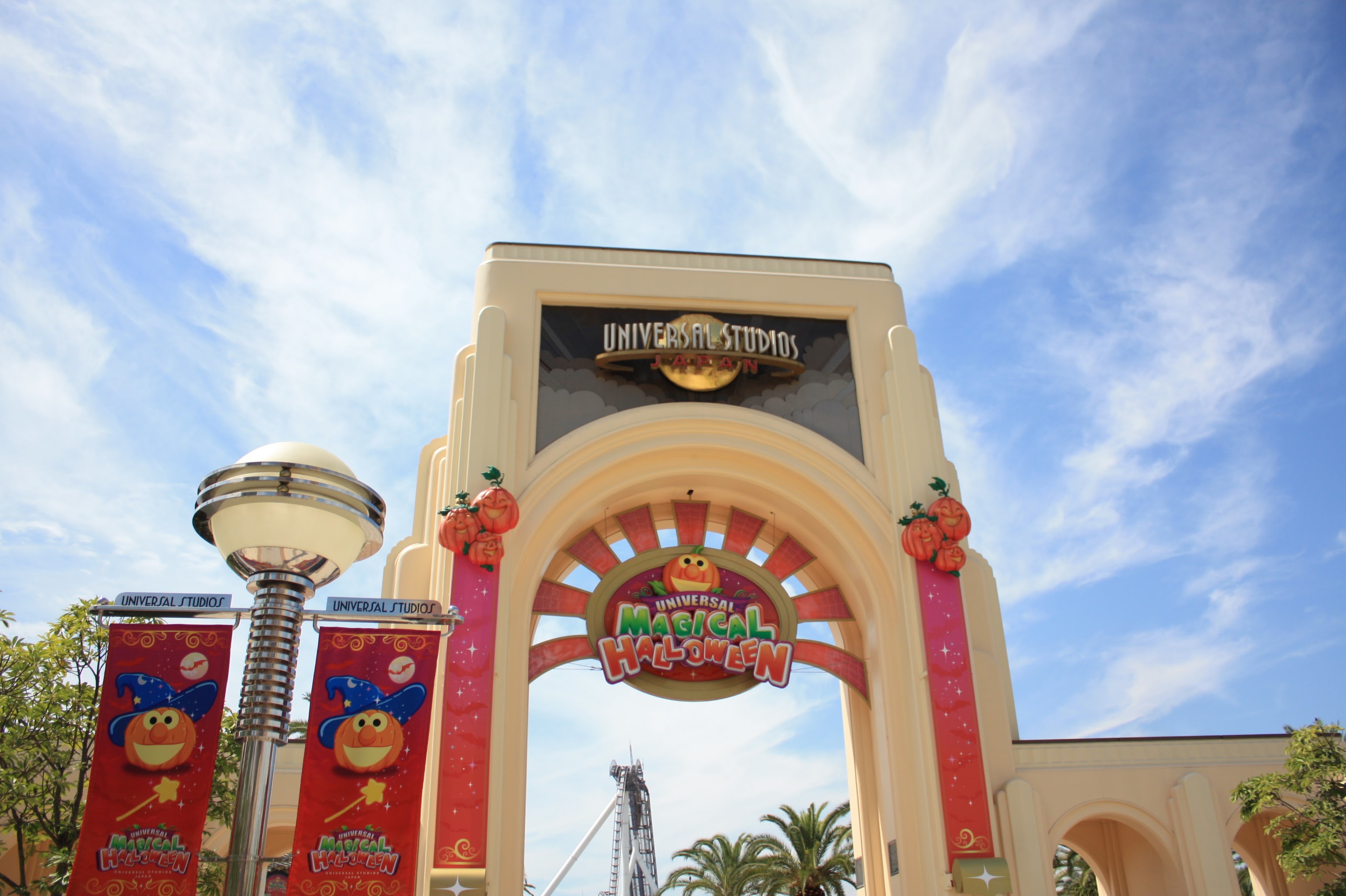
Universal Studios Japan (USJ) is the largest theme park in Osaka and one of the most visited in Asia. It sits on the bay side of the city, five minutes by train from central Osaka, and combines global franchise zones with a distinctly Japanese touch in the food and merchandise.
Getting there
From JR Osaka Station, take the JR Yumesaki Line (also called JR Sakurajima Line) to Universal City Station. The journey takes about 5 minutes and trains run frequently. From Kyoto it’s around 50 minutes with one transfer.
The main zones
The Wizarding World of Harry Potter
The park’s most popular zone since it opened. Hogsmeade is recreated in reasonable detail: the cobblestone streets, Ollivander’s wand shop, and Hogwarts Castle housing Harry Potter and the Forbidden Journey, a motion-simulator ride with VR elements. The Butterbeer (hot or cold) sold at the stands is worth trying.
Super Nintendo World
Opened in 2021, this is the newest zone and the favourite of younger visitors. The entire area is built around the Mario universe: the Mario Kart attraction, Goombas and Piranha Plants around every corner, and the option to buy a Power-Up Band wristband to “hit” blocks scattered through the area. The Mario Kart ride combines augmented reality with physical karts.
Jurassic World
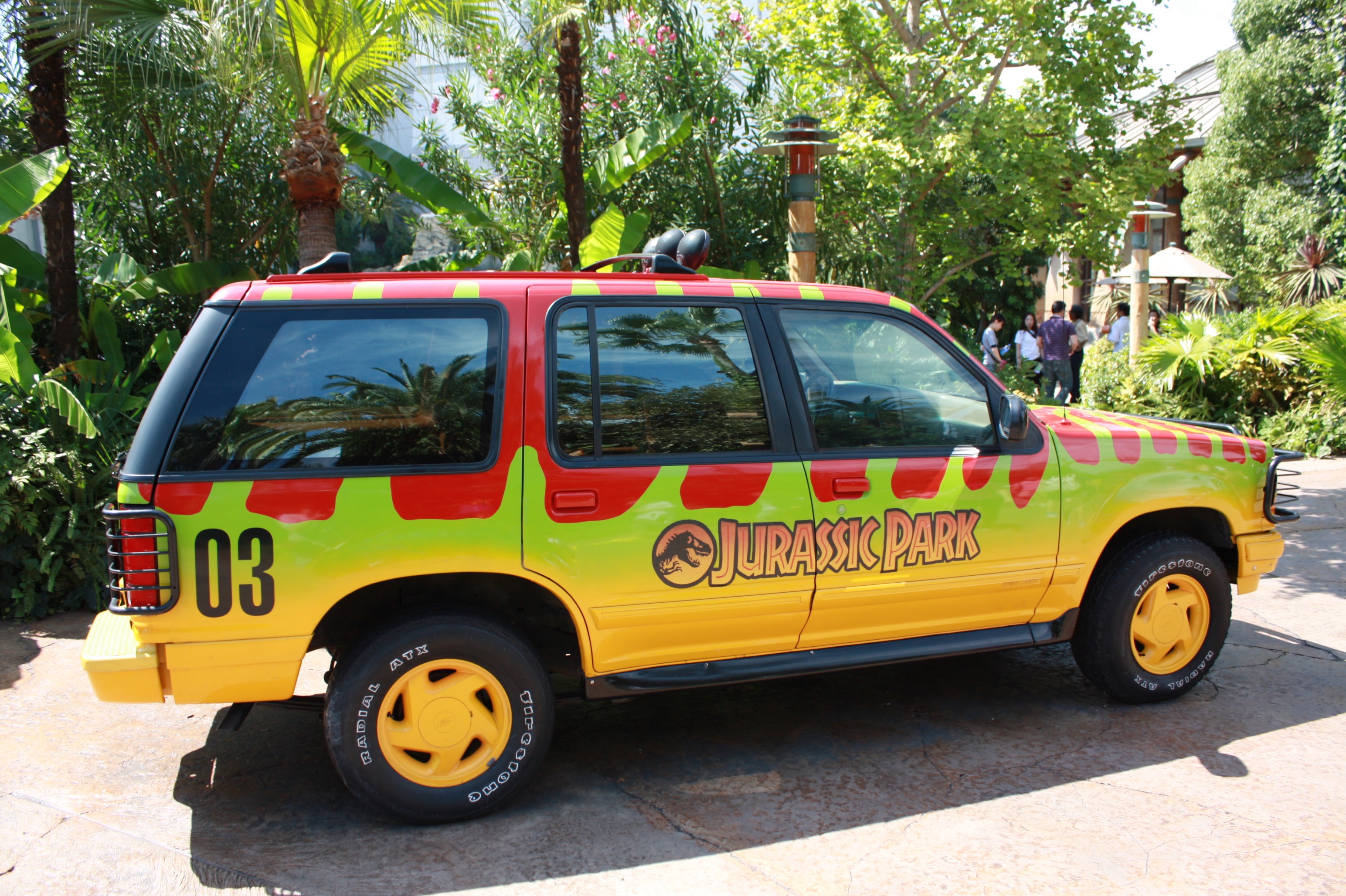
The dinosaur zone remains one of the most popular. The Jurassic Park jeep parked at the entrance is one of the most-photographed spots in the park.
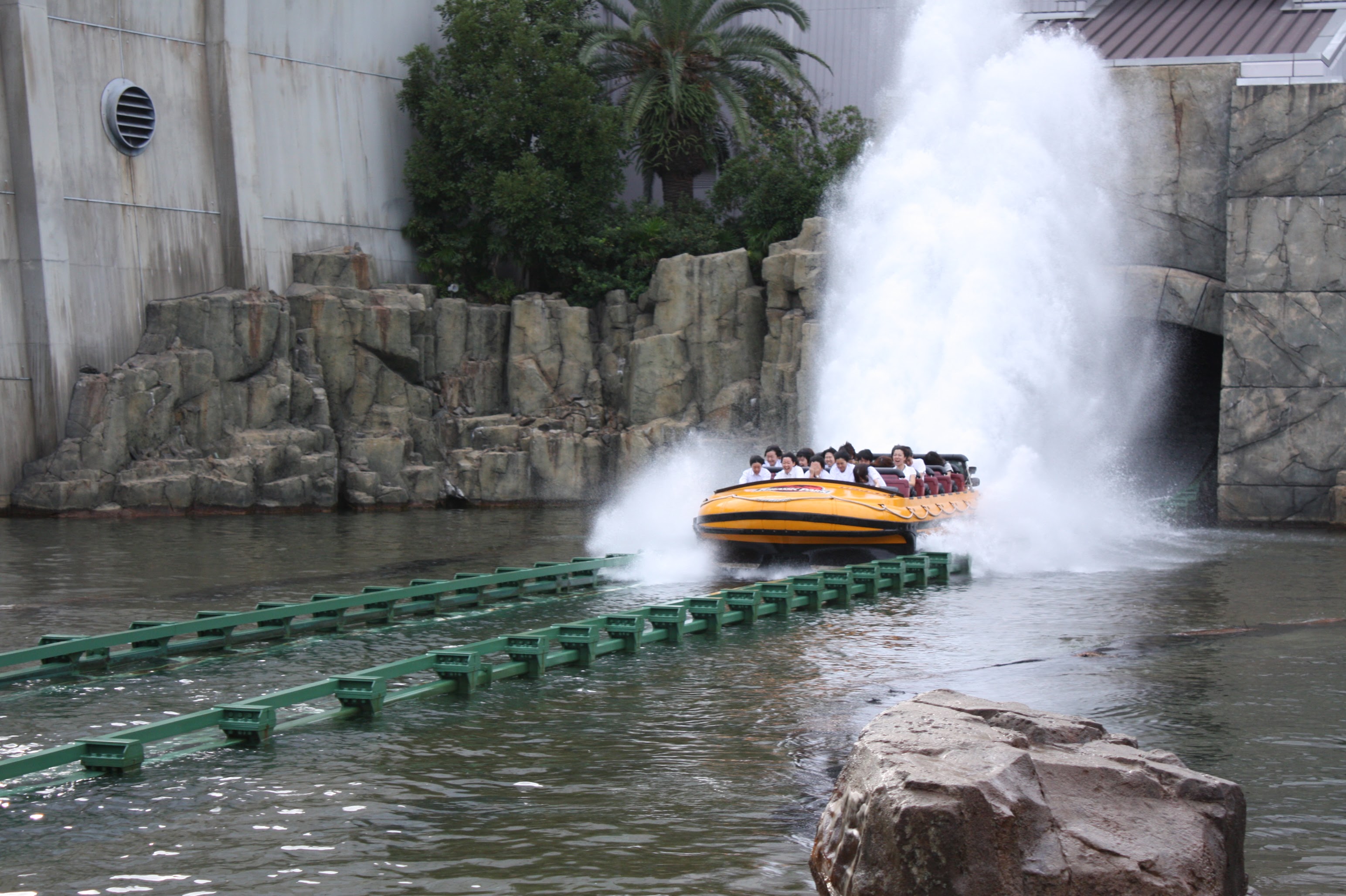
The main attraction is Jurassic World — The Ride, a water ride ending in a big drop and an equally big splash. In summer it’s refreshing; in winter, consider bringing a change of clothes or buying the poncho they sell at the ride entrance.
Hollywood, Minion Park, and New York
The central area runs along a Hollywood-style Walk of Fame, with the 1950s diner Mel’s Drive-In as a popular backdrop. Minion Park has gentler rides and is particularly good for young children — useful to know if you’re travelling Japan with kids.
Tickets and Express Pass
The standard ticket (Studio Pass) costs around ¥9,400–10,400 for adults and ¥6,100–6,700 for children (3–11). Prices vary by season.
The Express Pass is an add-on that lets you skip the queue for selected attractions, in a specific time window. It can cost anywhere from ¥4,000 to ¥15,000+ depending on which rides are included and the date. During peak season (Golden Week, August, Christmas), the difference between a 2-hour queue and walking straight in is very real. If you can only pick one attraction for Express Pass, choose Harry Potter or Mario Kart.
Seasonal events
USJ transforms itself throughout the year:
- Universal Cool Japan (January–June): collaborations with Japanese franchises such as Dragon Ball, Evangelion, or One Piece.
- Universal Magical Halloween (September–October): pumpkin decorations, nighttime horror shows, and scare zones for adults. The park opens late on selected nights.
- Universal Christmas (November–January): thousands of lights and a night parade that’s particularly impressive.
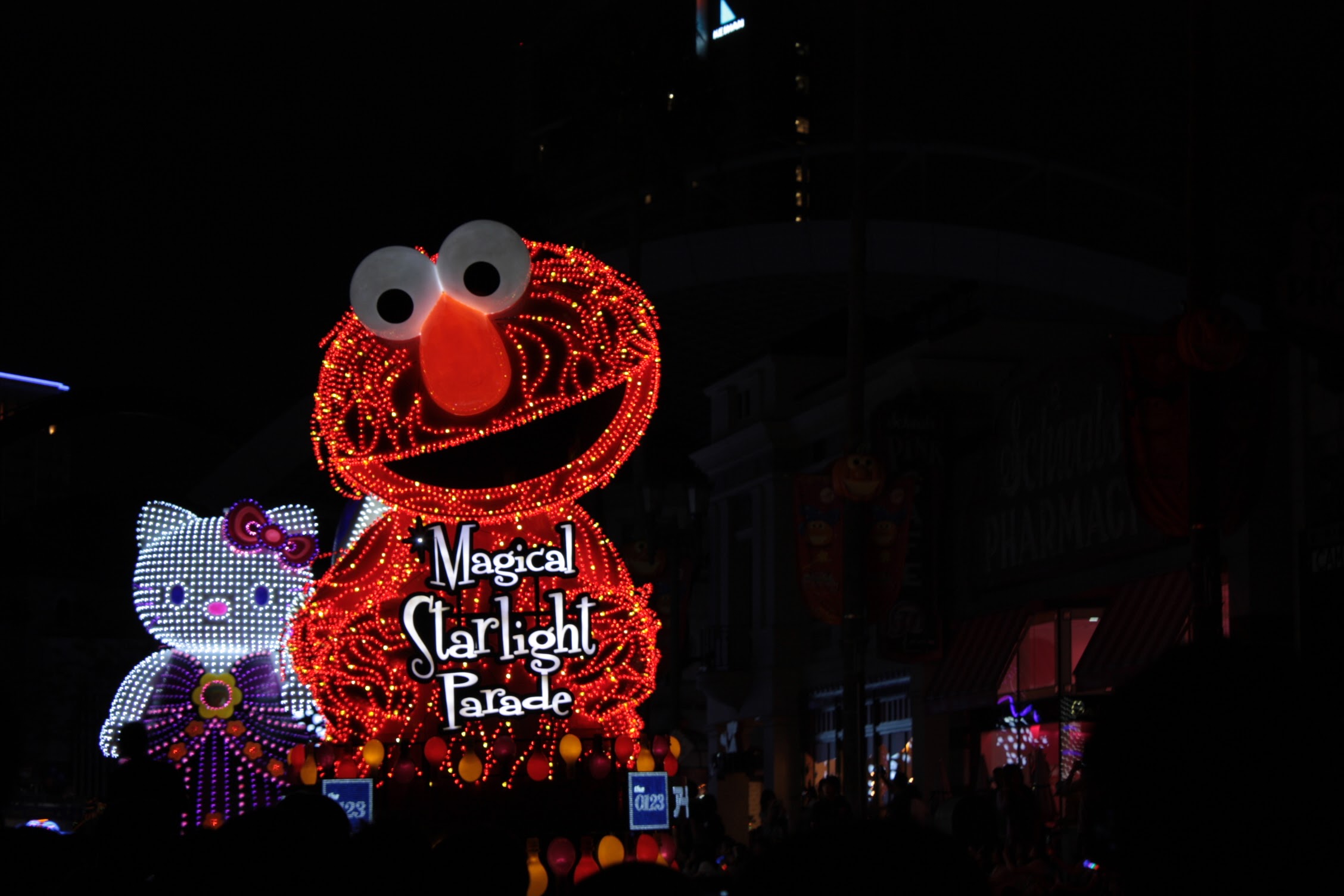
The Magical Starlight Parade that runs along the main street is one of the highlights of an evening visit, with illuminated floats carrying Sesame Street, Peanuts, and Universal classic characters.
Practical tips
Avoid weekends and public holidays. USJ is Osaka’s busiest theme park and on peak days the queues for popular rides exceed 2 hours without Express Pass. Tuesdays and Wednesdays are the quietest days.
Buy tickets online in advance. The price is the same as at the gate, but booking ahead lets you plan the Express Pass and avoids any sold-out situations on peak days. The official USJ app (in Japanese) shows live wait times.
Save indoor attractions for rain. Osaka gets plenty of rain. The covered 4D cinemas and shows are ideal for those hours.
The park doesn’t close for rain. USJ operates in wet weather, though a poncho is useful (sold inside, at a premium).
If Tokyo is also on your itinerary, Tokyo DisneySea is the country’s other major theme park, with a very different style from USJ.
Related reading
If you found this useful, these guides go well with it:
Related calculators
About the author
Editorial entity
Yen & Zen is written by a Spanish-Japanese couple based in Kanagawa Prefecture, in the Tokyo metropolitan area. We have been in Japan since 2010. The site is a hobby project covering practical calculators and articles about life and travel in Japan, with verified figures and citations to official sources. We are not lawyers, accountants, or licensed advisors; articles here are based on observation, personal experience, and published official rules — not on professional consultation.