Shibuya: beyond the world's most famous crossing
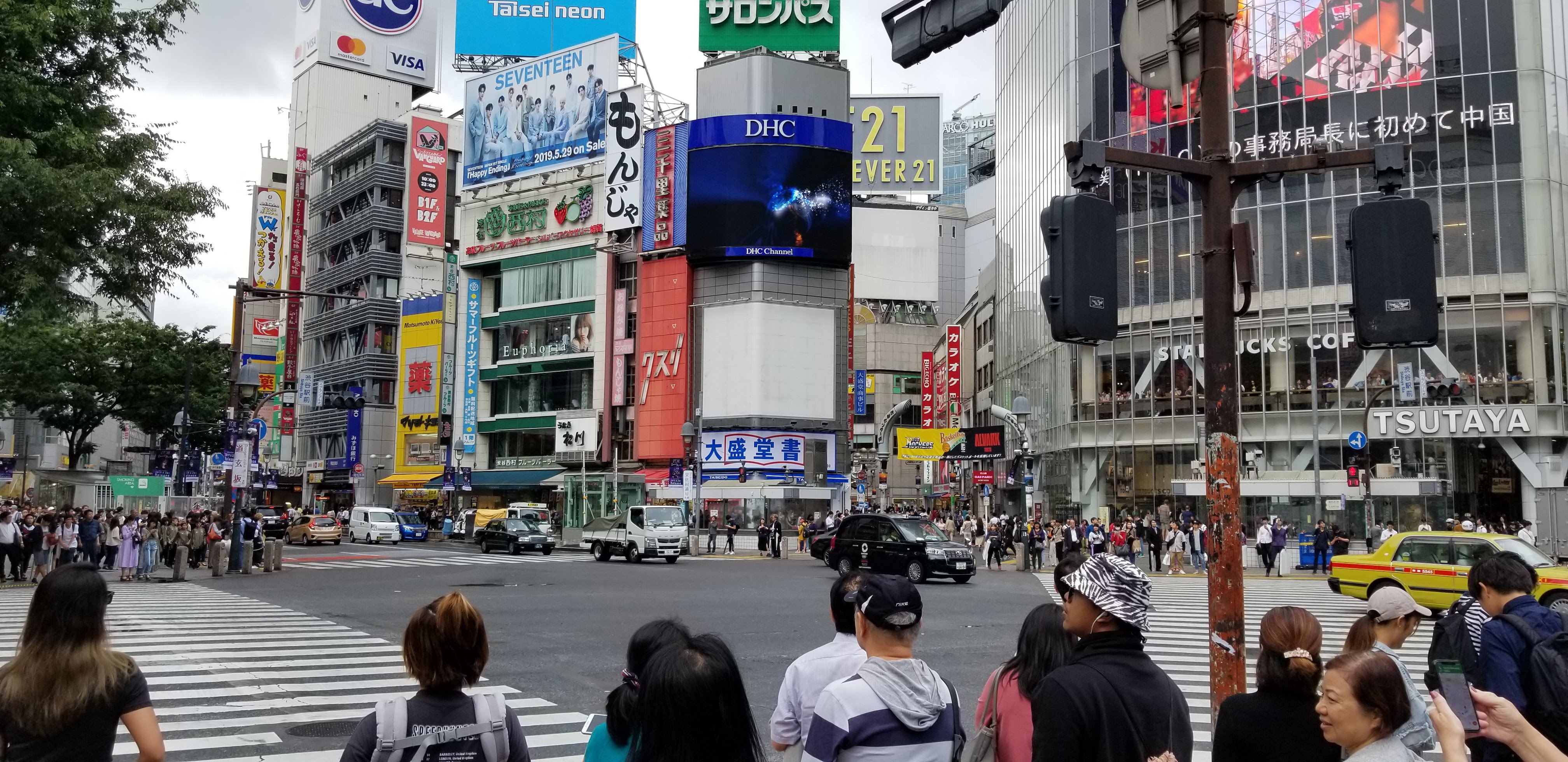
The first time I saw Shibuya Crossing at night was from an elevated café in the Tsutaya building. Below, hundreds of people crossing from every direction at once, the advertising screens on the surrounding buildings reflecting off the wet pavement. It’s one of those images you’ve seen a thousand times before seeing it in person — and it still delivers.
But Shibuya is much more than that image, and some parts of it don’t deserve the time that typical itineraries assign them. If you want the contrast, Asakusa on the other side of the city shows Tokyo’s older face.
Shibuya Crossing
Shibuya Crossing (渋谷スクランブル交差点) is probably the most photographed pedestrian crossing in the world. What makes it special is the synchronisation: when the light turns green for pedestrians, all cars stop in every direction at once, and hundreds of people cross simultaneously from all sides. At peak times, more than 3,000 people can cross in a single cycle.
To see it properly from above, you have several options. The Starbucks in the Tsutaya building (the corner opposite Hachiko, second floor) is the classic choice: window seats with direct views of the crossing, though there’s a queue for them and the coffee effectively charges entry. The Mag’s Park rooftop terrace (in the Magnet by Shibuya 109 building, free access) offers a slightly different angle. And if you want the definitive view, Shibuya Sky puts you 45 floors above the action.
On foot at the crossing itself: it works like any pedestrian crossing. There’s nothing special to do. The experience of crossing with everyone else is different from watching from above — more physical, less cinematic — but worth doing once.
Hachiko
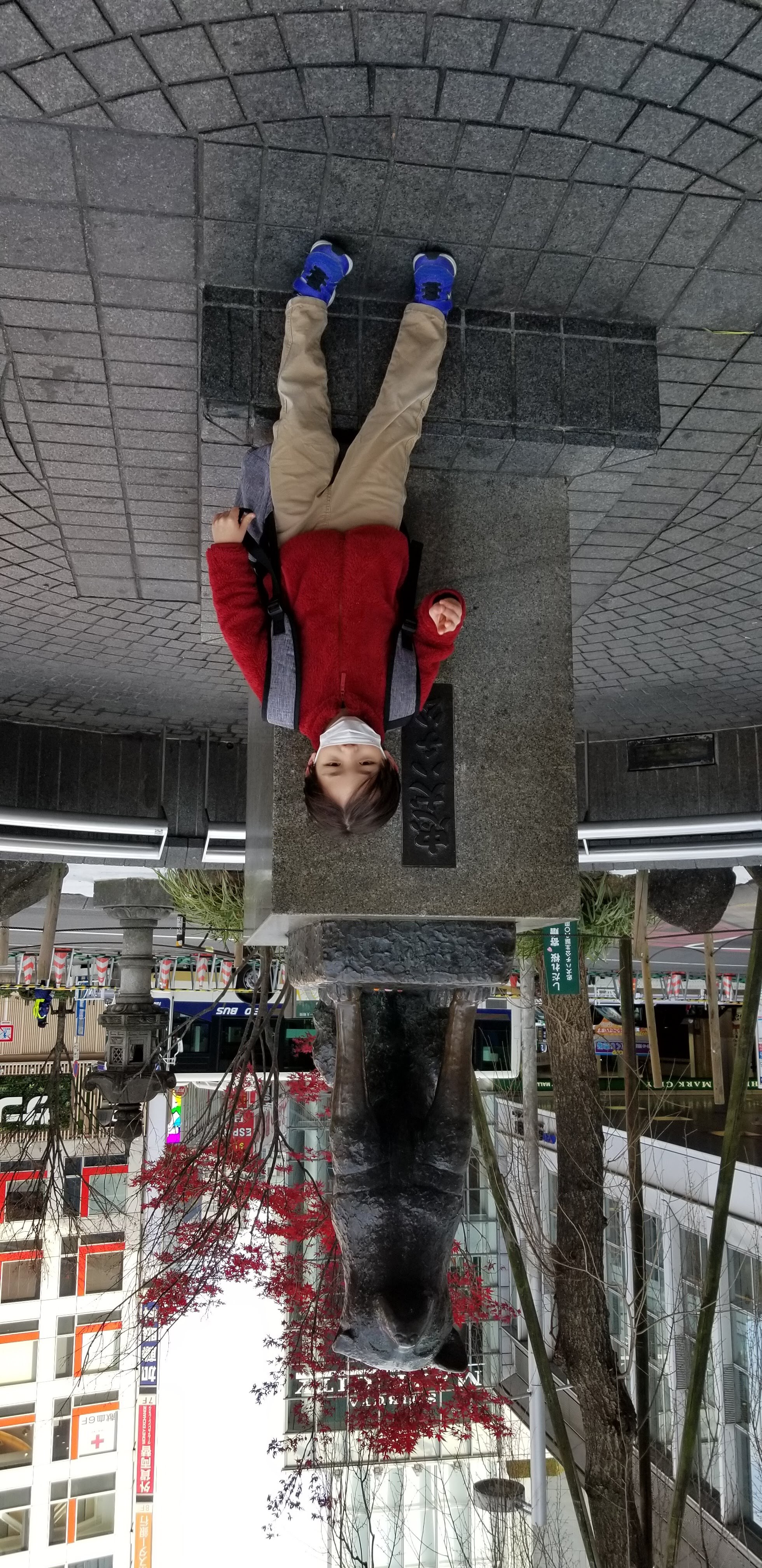
The Hachiko statue (ハチ公像) is a few metres from the Hachiko exit of Shibuya Station. Hachiko was an Akita Inu who waited for his owner at this station every day for almost ten years after the man’s death in 1925. The statue has been here since 1934 and is the most-used meeting point in Shibuya.
It’s smaller than you’d expect after seeing it in photos. And there’s almost always a crowd taking pictures with it. If you want the photo without people in it, very early morning is the answer. If not, the statue is worth seeing either way, and the story behind it is genuinely moving.
Shibuya Sky
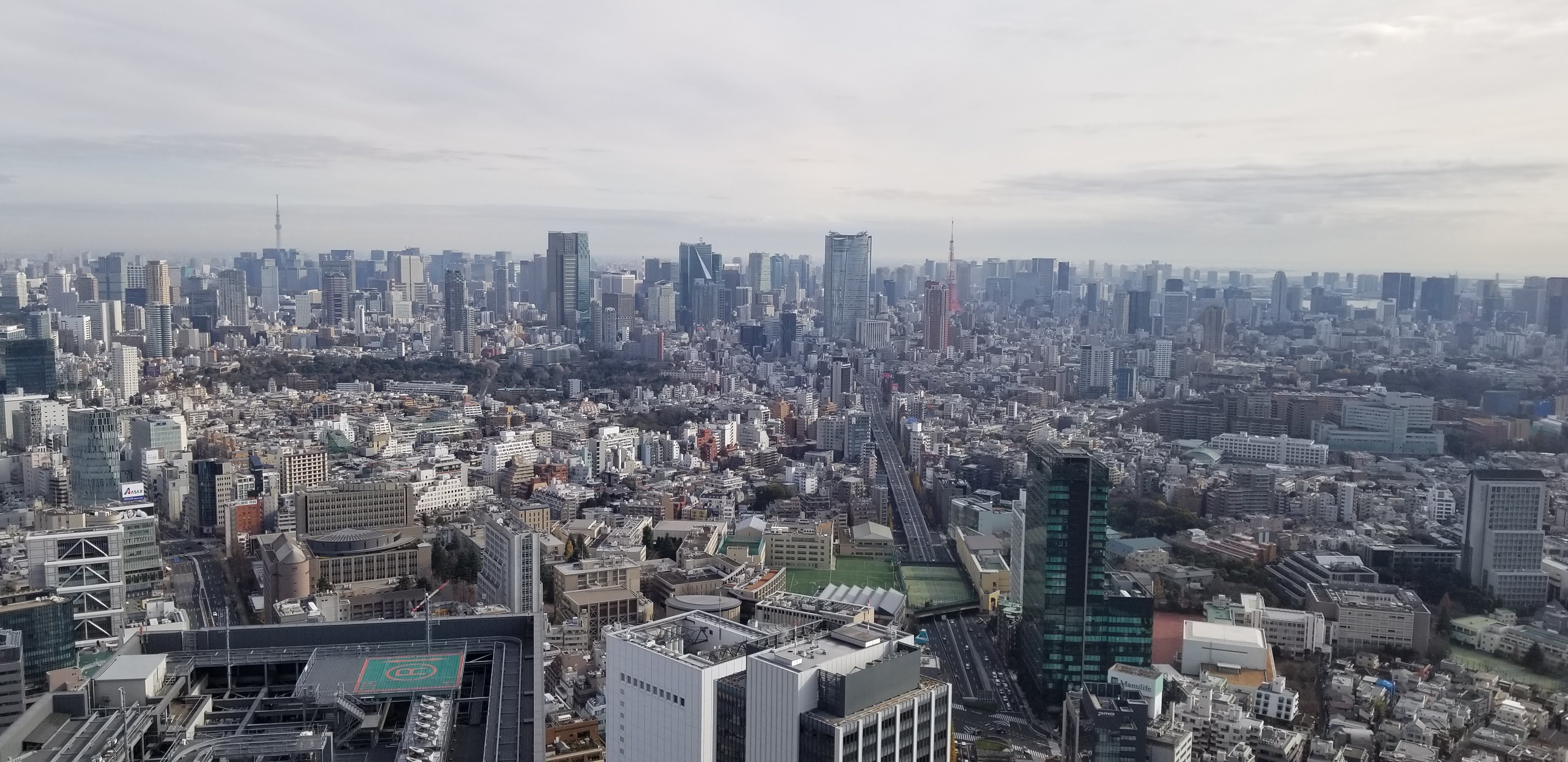
Shibuya Sky (渋谷スカイ) is the rooftop observatory on top of Shibuya Scramble Square, the neighbourhood’s newest skyscraper. It sits at 229 metres and has an open-air platform of around 2,500 square metres. The panoramic view is spectacular: Mount Fuji on clear days to the west, Tokyo Tower to the south, Shinjuku to the north, and Shibuya Crossing directly below.
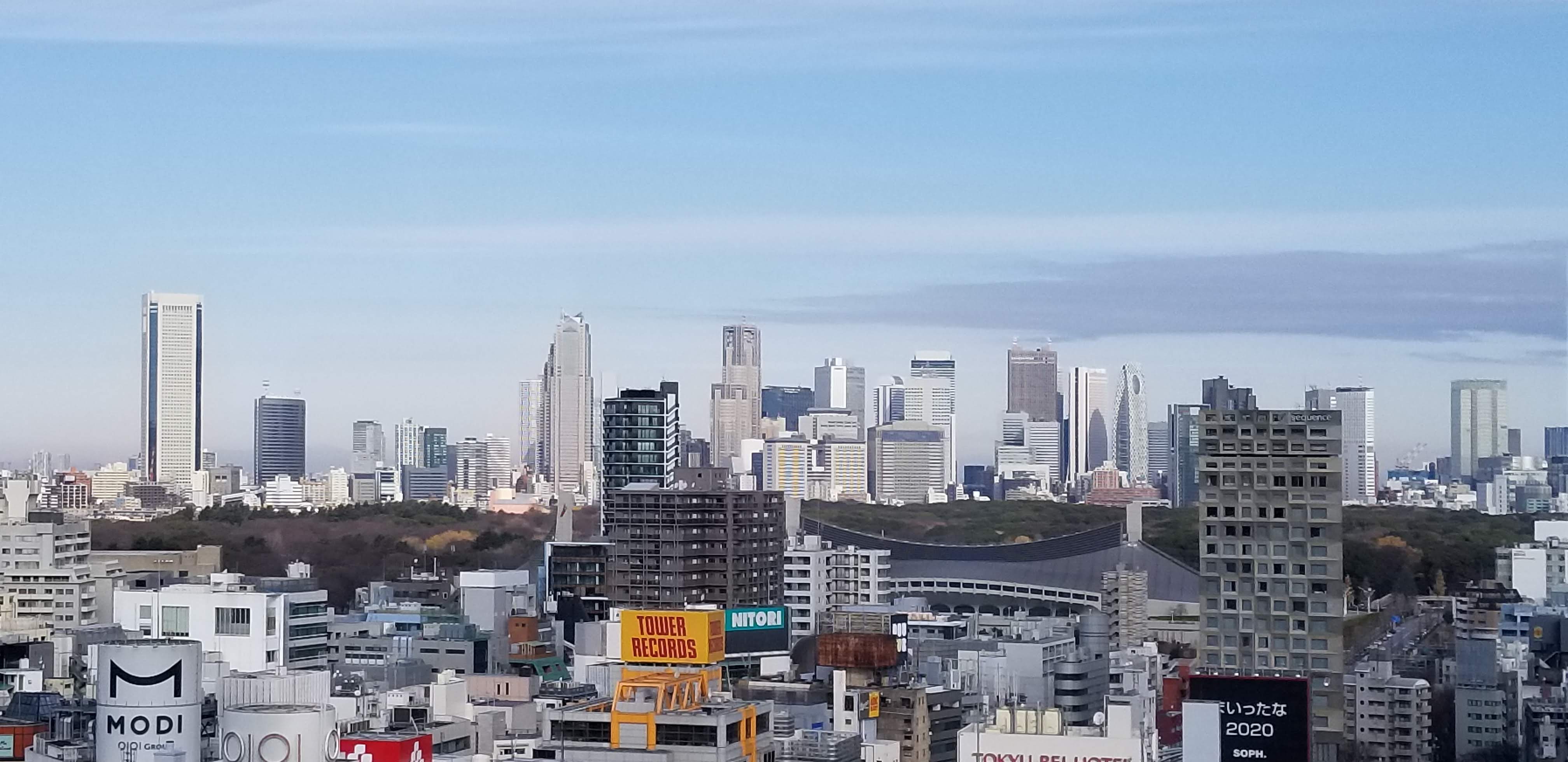
Compared to other Tokyo observatories — Tokyo Skytree or Tokyo Tower — Shibuya Sky’s platform is more horizontal and open, with fewer glass barriers. The feeling of actually being on a rooftop is stronger.
Entry: ¥2,000 for adults. Booking online in advance is recommended, especially on weekends and during peak seasons. Best timing: the golden hour before sunset, so you see the city in daylight and then watch it light up from above.
Shopping: 109, Center-gai and beyond
Shibuya 109 (渋谷109) is the neighbourhood’s most iconic fashion building, historically known for gyaru style and Japanese youth fashion. Its aesthetic has evolved, but it remains the reference point for Japanese young women’s fashion. Worth a look around even if you don’t buy anything, to see what’s current.
Center-gai (センター街) is the pedestrian street that runs north from the crossing, packed with clothing shops, chain restaurants and fast food. It’s the commercial backbone of the neighbourhood and always busy. Not the most interesting side of Shibuya, but the most lively.
For more selective or vintage clothing, the Udagawacho (宇田川町) area, about ten minutes’ walk from the crossing, has second-hand shops and independent brands worth exploring.
Tower Records Shibuya remains one of the best places to buy physical Japanese music: J-pop, city pop, Japanese jazz, anime soundtracks. The Japanese music floor has a selection you won’t easily find elsewhere.
Daikanyama and Nakameguro
Ten minutes’ walk south of Shibuya, the atmosphere shifts completely. Daikanyama (代官山) is one of Tokyo’s most refined neighbourhoods: designer fashion shops, carefully designed cafés, small art galleries, few chains and relatively quiet streets. The Daikanyama T-Site (a Tsutaya bookstore spread across several buildings with terraces and a café) is one of the most pleasant spaces in Tokyo for a morning.
Nakameguro (中目黒) is a little further south, running alongside the Meguro River canal, with cafés and restaurants on both banks. In spring it’s one of the best spots in Tokyo for cherry blossom. The rest of the year it’s a good place to eat well, have a drink and decompress after the noise of central Shibuya.
Both neighbourhoods are walkable from Shibuya or one train stop away. They’re the ideal complement for anyone who wants something calmer after time in the centre.
Where to eat
Shibuya has restaurants at every price point. A few references:
Ichiran Shibuya: the ramen chain with individual booth seating, a good option for eating alone or if you want the ramen ritual without much interaction. There’s almost always a queue at the entrance, but it moves quickly.
Restaurants in the basement of Hikarie (渋谷ヒカリエ): the shopping centre next to the station has several floors of restaurants with varied, reasonably priced sit-down options.
Omotesando Hills: 15-20 minutes’ walk from Shibuya along Omotesando avenue, there are several quality food and café options along the way.
For a more traditional evening, the back streets away from the main avenues have plenty of izakaya tucked between the bars.
For quick accessible food: the konbini around the station (Family Mart, 7-Eleven, Lawson) are always a valid option, especially if you’ve been on your feet for a while.
Getting there
Shibuya is well connected from anywhere in Tokyo. From Tokyo Station, 15-20 minutes on the JR Yamanote Line. From Shinjuku, 5 minutes on the same line.
From Yokohama, the Tōkyū Tōyoko Line runs directly to Shibuya in around 25-30 minutes with no transfer. It’s the line I use most often when heading to the neighbourhood.
The Hachiko exit of Shibuya Station is the most central for the crossing, the statue and Center-gai. The station has multiple exits and the underground concourse is genuinely labyrinthine: check which exit you need before going down.
When to go
Shibuya works at any hour but has its moments. Thursday to Saturday evenings are the most energetic and the crossing is at its visual peak with all the lights on — also prime time for karaoke if the night runs long. Monday and Tuesday mornings are significantly quieter if you want to shop without crowds.
On New Year’s Eve, Shibuya Crossing becomes one of the largest gatherings in Tokyo. Worth it if you enjoy crowd energy; less so if you prefer something quieter.
FAQ
How much time do I need in Shibuya? To see the crossing, Hachiko, go up Shibuya Sky and walk through Center-gai, half a day is enough. Add Daikanyama and Nakameguro and you’ve got a full day.
Shibuya or Shinjuku? They’re different neighbourhoods with different energy. Shibuya is more visual and youthful; Shinjuku has more variety (Kabukicho, Golden Gai, the park). You don’t have to choose: they’re five minutes apart by train.
Is Shibuya Crossing dangerous? Not at all. The traffic light synchronisation makes it completely safe. Just cross when the pedestrian signal is green, same as anywhere else.
Is there anything in Shibuya not worth the time? Most of the electronics shops in the area are more expensive than in Akihabara. For electronics purchases, Akihabara or Yodobashi Camera there offer better prices and selection.
Shibuya is the kind of neighbourhood worth seeing at different times of day: the crossing in daylight, from above at sunset, and on foot at night. All three are distinct experiences. And if you have time to spare, the twenty-minute walk down to Daikanyama is worth the detour.
Prices and opening times as of 2026. Shibuya Sky: online booking recommended on weekends.
Related calculators
About the author
Editorial entity
Yen & Zen is written by a Spanish-Japanese couple based in Kanagawa Prefecture, in the Tokyo metropolitan area. We have been in Japan since 2010. The site is a hobby project covering practical calculators and articles about life and travel in Japan, with verified figures and citations to official sources. We are not lawyers, accountants, or licensed advisors; articles here are based on observation, personal experience, and published official rules — not on professional consultation.