Kyoto: a practical guide to the city that needs more time than you think
I’ve been to Kyoto twice. The first time alone, when I came to Japan for the first time. The second time with my wife and our eldest son when he was eleven months old, just before he started nursery. Both times I noticed the same thing: Kyoto is a huge city, the points of interest are spread far apart, and without a well-planned itinerary it’s easy to end the day feeling like you didn’t really get anywhere.
My last visit was eleven years ago. Tourism in Kyoto has changed a great deal since then. The city was already popular, but the current level of crowding at some sites is in a different category. I’m keeping that in mind as I write this.
Kyoto is not a temple. It’s a city
The most common mistake with Kyoto is treating it like a compact theme park. It isn’t. The city has 1.5 million inhabitants, 17 UNESCO World Heritage sites, and its main points of interest are kilometres apart. Kinkaku-ji is in the northwest. Arashiyama is to the west. Fushimi Inari is to the south. The Gion district is to the east. Without transport or good planning by zone, you spend the day on the subway or bus losing time between visits.
The practical advice: group visits by geographic area and allow at least two days, ideally three or four.
The places you shouldn’t miss
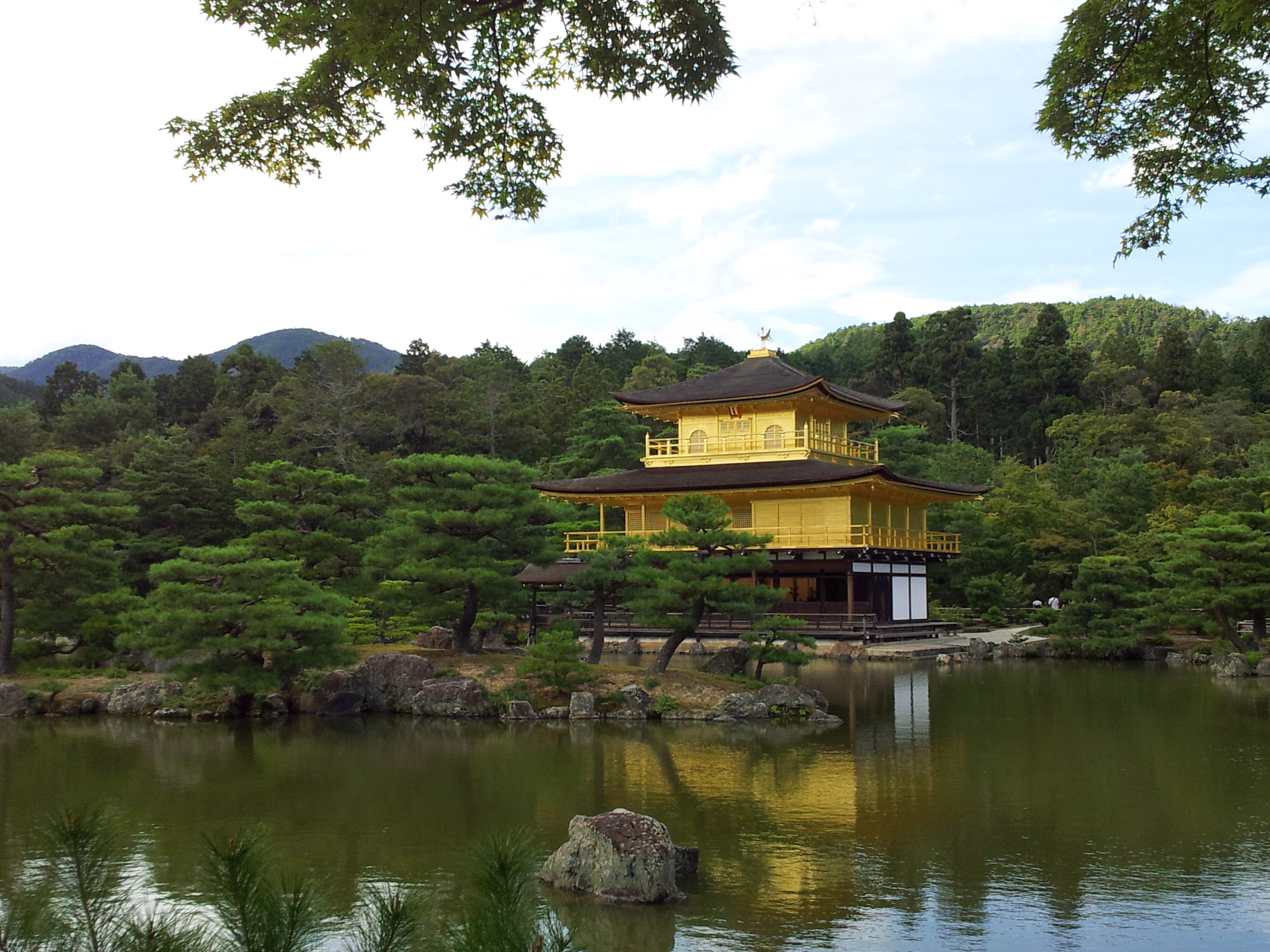
Kinkaku-ji (金閣寺, the Golden Pavilion): the symbol of Kyoto and probably the most photographed structure in Japan. Three storeys covered in gold leaf reflected in the pond. The reality matches the expectation, which is rare for tourist icons. It’s in the northwest of the city. Entry is ¥500. Arrive early: by mid-morning the crowds are enormous.
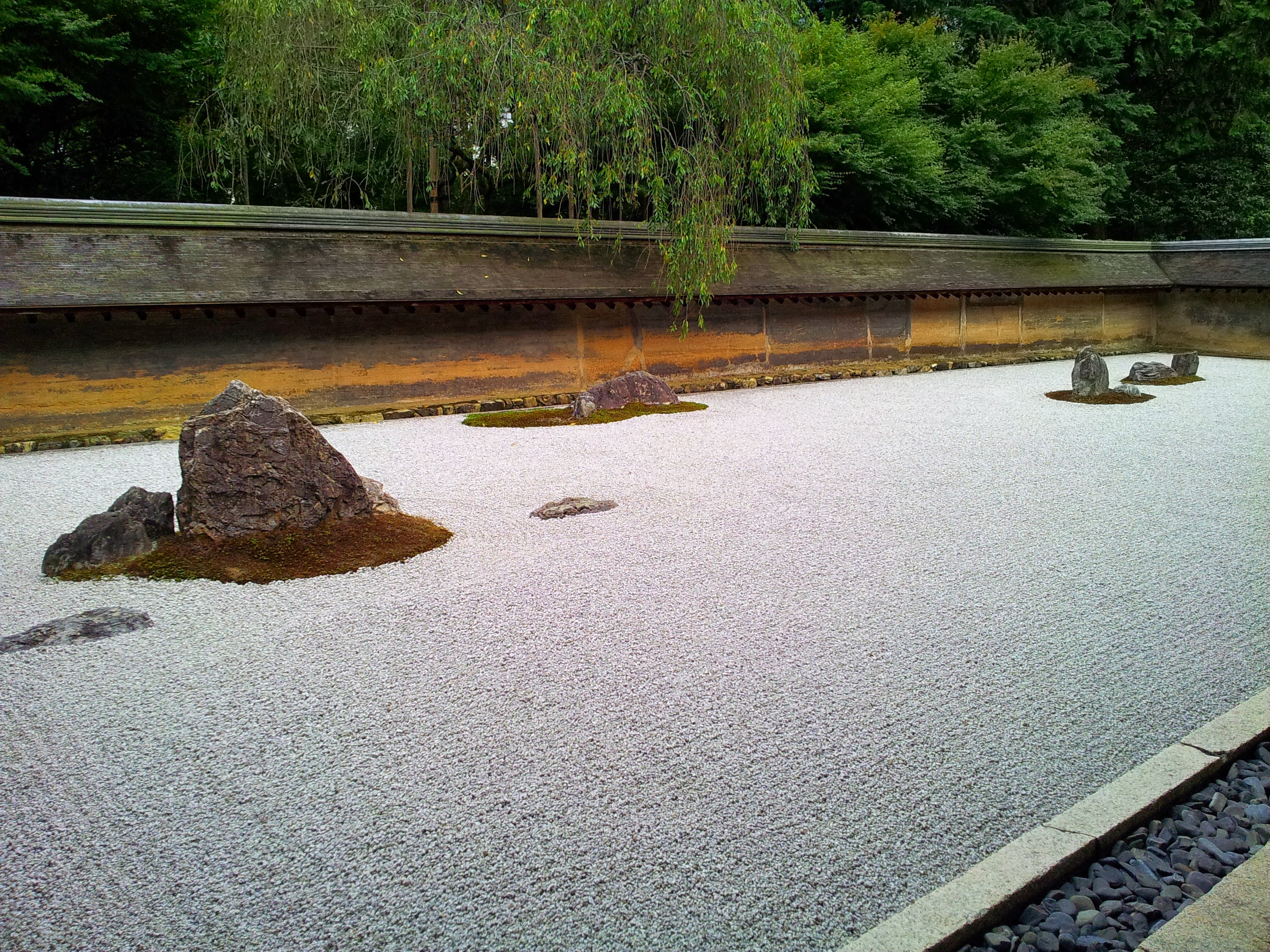
Ryoan-ji (龍安寺, the rock garden): ten minutes’ walk from Kinkaku-ji. The most famous Zen garden in the world: fifteen stones on raked gravel in a 340-square-metre rectangle. There’s something about that space that doesn’t work the same way in photos as in person. The geometry, the relative quiet, the feeling that you’ve been looking at something for centuries without quite understanding it. Worth visiting even if gardens aren’t your thing.
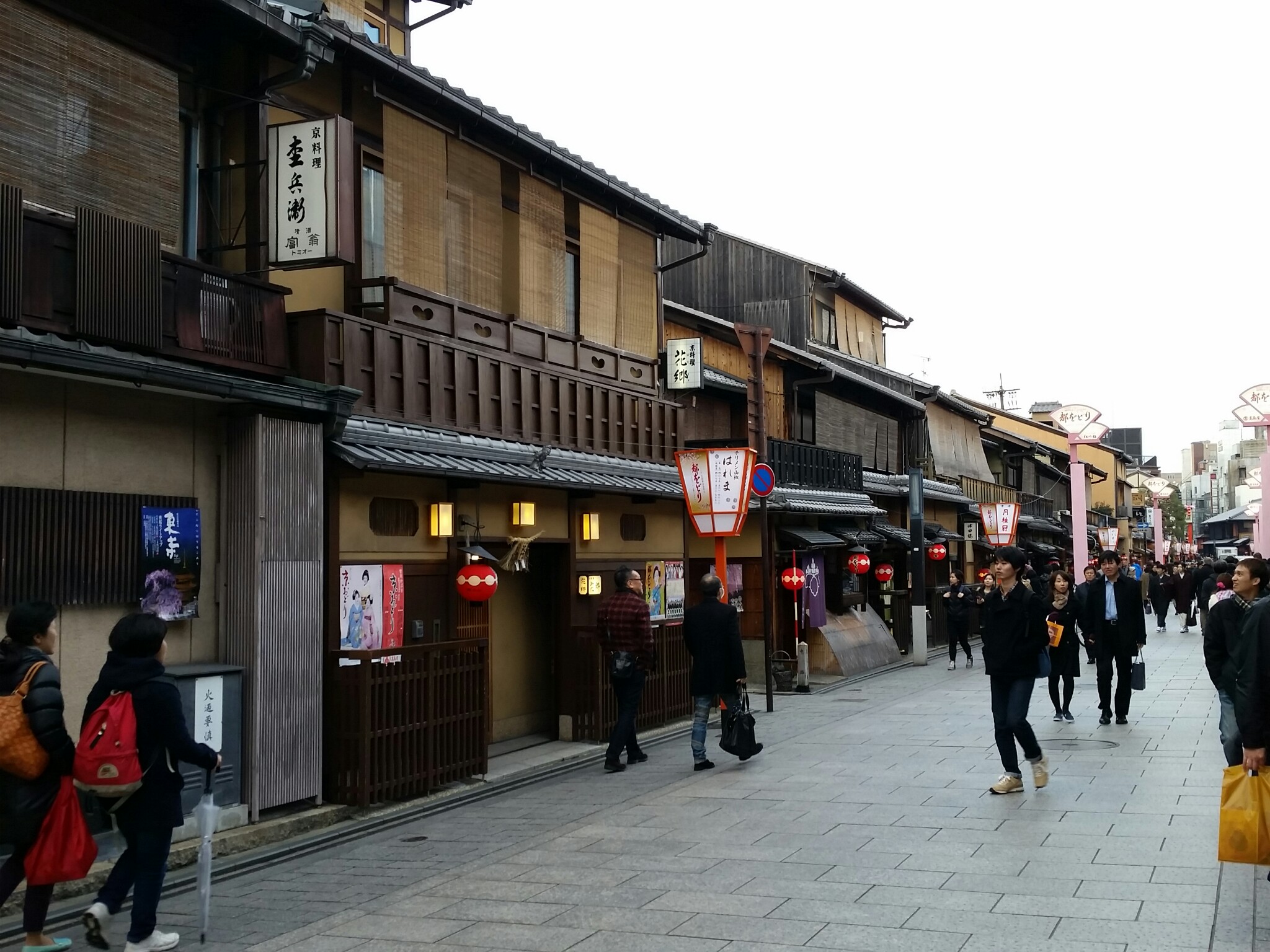
Gion and Hanamikoji street: Kyoto’s historic district, known as the geisha quarter. Hanamikoji is one of the most photogenic streets in Japan: machiya (traditional wooden townhouses), red lanterns, kyō-ryōri restaurants. In the late afternoon and evening there are chances of seeing maiko (geisha apprentices) making their way between engagements. Don’t follow or photograph them without permission: Gion has had to take measures against invasive tourist behaviour in recent years.
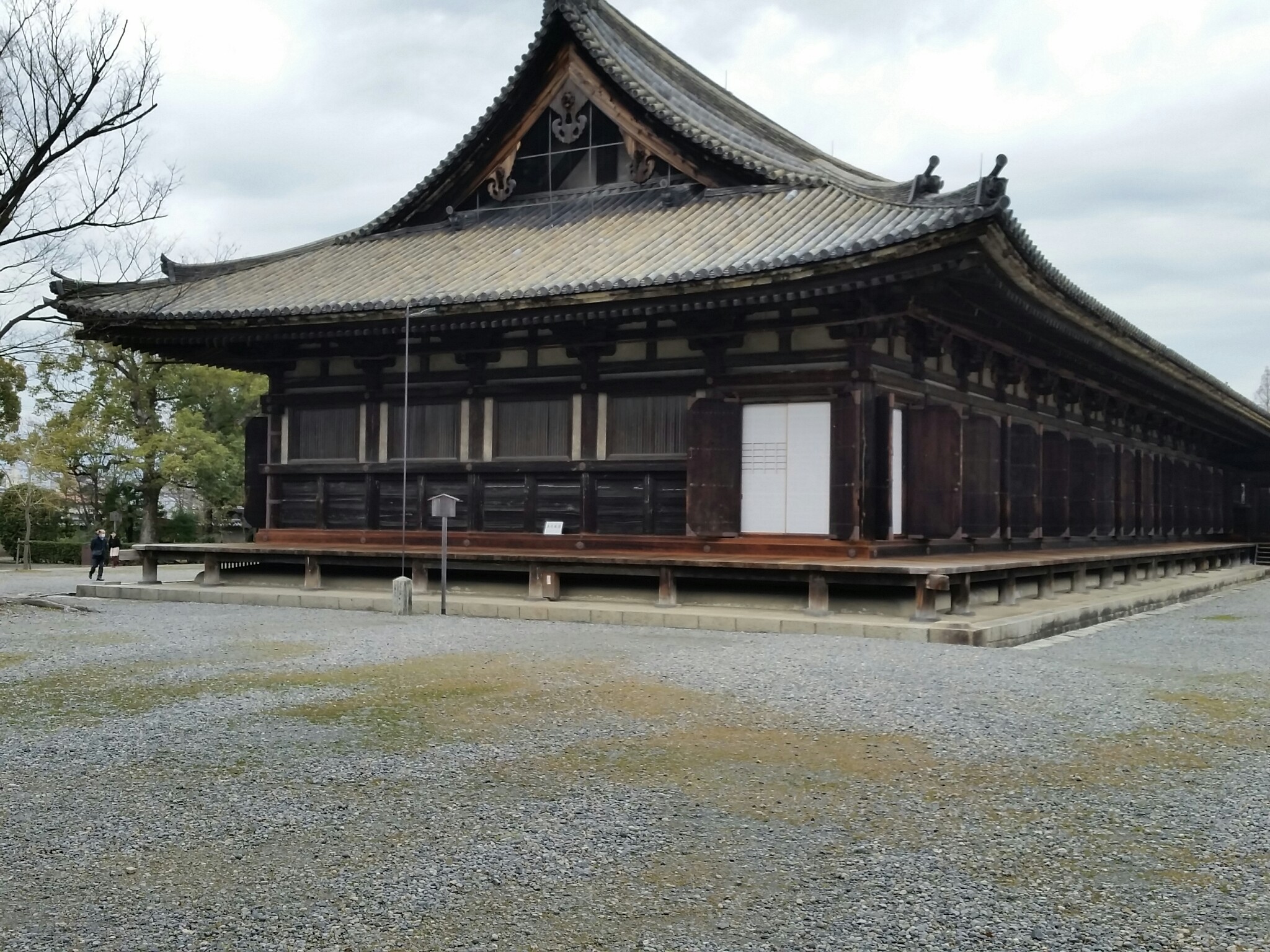
Sanjusangen-do (三十三間堂): Japan’s longest wooden hall at 120 metres, housing 1,001 gilded Kannon figures. The scale of the interior is hard to process. The life-sized statues are arranged in rows and the perspective as you walk down the central corridor is one of the most singular interior experiences I’ve had in Japan. It’s south of the city centre, near Kyoto Station. Entry ¥600.
Other places worth visiting
Fushimi Inari (伏見稲荷大社): the thousands of orange torii gates in succession climbing the mountain. Kyoto’s most viral image of recent years. The trick is to go very early in the morning or to climb beyond where most tourists turn back. The first half hour of the route is always packed; beyond the third or fourth level the crowds thin out dramatically.
Arashiyama: the bamboo grove, Tenryu-ji temple and the Ōi river. A quieter area to the west of the city. The bamboo grove is attractive but small and very crowded; the more interesting part of the area is wandering beyond it to the secondary temples and the riverbank.
Nijo-jo (二条城): the Tokugawa shogunate’s castle-palace in the city centre. Famous for its “singing floors” (uguisubari), designed to creak underfoot as an alarm system. Well preserved, with gardens and several interior buildings open to visitors. Entry ¥1,300. If a hot bath sounds appealing after a long day of temples, our onsen guide covers the etiquette and the best options within reach.
The overtourism problem
Kyoto is one of the most saturated tourist destinations in the world. In peak season (spring cherry blossom, autumn foliage) the situation at the main sites can be overwhelming. The authorities have been taking measures for years: access restrictions on certain streets, tourist taxes, capacity limits.
When I last visited this was starting to be visible. Today it’s a factor that has to be built into planning. Early mornings, weekdays, secondary areas, avoiding weekends at the most photographed icons: these are decisions that have a significant effect on the experience.
Getting there and getting around
From Tokyo: Shinkansen Nozomi to Kyoto, around 2h15. The most comfortable option. From Osaka, 15 minutes on the Shinkansen or 30-40 minutes on a conventional train (Kintetsu or Hankyu).
Within Kyoto: the bus network covers the tourist areas well but can be slow at peak times. The metro has two main lines. For journeys between distant areas (such as Arashiyama and Fushimi Inari), combining metro and bus is most efficient. Cycling is also viable for medium distances.
The Kyoto Bus & Subway Pass for one or two days includes unlimited transport and can be good value if you’re visiting many sites in a short time.
If you’re moving between Tokyo, Osaka and Kyoto with heavy luggage, takuhaibin is worth knowing about: sending a suitcase hotel-to-hotel frees you up on the Shinkansen and avoids dragging bags through the metro.
When to go
Spring (late March - mid April): cherry blossom. The most in-demand and most crowded season. If you can choose, the first few days of flowering are better than the peak. Check your specific dates with our cherry blossom timing calculator. Kyoto’s average peak window falls in the last days of March to the first days of April.
Autumn (mid November): autumn foliage (momiji). Second peak season. Temples with gardens are spectacular.
Summer (July - August): intense heat and humidity. The Gion Matsuri (July) fills the city. If you’re interested in matsuri, it’s the time to go; if you prefer temples without heat exhaustion, it’s not ideal.
Winter: fewer tourists, occasional possibility of seeing temples in snow. Some gardens close earlier. The cold can be intense.
FAQ
How many days do you need to see Kyoto? To see the main sites at a comfortable pace, at least two and a half to three days. With four days you can add Nara (45 minutes by train) or Osaka (15-30 minutes).
Is Kyoto or Osaka a better base? Both work well. Kyoto has more of a historic atmosphere and is more central for the temples. Osaka is cheaper for accommodation and has more nightlife. The train between the two is very fast.
Can you see geishas? Maiko and geiko (Kyoto geisha) exist and work in Gion, but they don’t go out as a tourist attraction. If you see them in the street it’s because they’re going to work. Respect their space.
Do you have to pay at all the temples? Most of the major ones charge entry: between ¥500 and ¥1,300. Fushimi Inari is free. There are several secondary temples with free access worth exploring off the main circuit.
Kyoto is one of those cities that requires time and a certain willingness not to give up in the face of the crowds. The most memorable moments I’ve had there haven’t been at the most famous sites but in the gaps between visits: a side alley in Gion almost empty at eight in the morning, the garden of a small temple not on any list.
Prices and information as of 2026. Tourism in Kyoto changes fast; check current opening hours and capacity restrictions before each visit.
Related reading
If you found this useful, these guides go well with it:
Related calculators
- 円 Japan trip budget Daily costs by city and travel style, in USD, EUR, GBP, AUD, MXN.
- 桜 Cherry blossom timing by city Enter your travel dates and city. Find out if you'll catch the cherry blossom peak.
- 荷 Takuhaibin luggage forwarding cost Estimate the cost of forwarding your luggage between hotels and cities in Japan.
About the author
Editorial entity
Yen & Zen is written by a Spanish-Japanese couple based in Kanagawa Prefecture, in the Tokyo metropolitan area. We have been in Japan since 2010. The site is a hobby project covering practical calculators and articles about life and travel in Japan, with verified figures and citations to official sources. We are not lawyers, accountants, or licensed advisors; articles here are based on observation, personal experience, and published official rules — not on professional consultation.